Corrosion resistance and mechanical strength rarely come together at an affordable price in traditional manufacturing. Sintered stainless steel parts solve this challenge by combining the durability of stainless alloys with the cost efficiency of powder metallurgy. This guide explores why these components are increasingly chosen for critical applications worldwide.
What is Sintered Stainless Steel Parts
Sintered stainless steel parts are precision components manufactured by compacting stainless steel powder under high pressure and then heating the compact in a controlled atmosphere furnace. The process fuses the individual powder particles together at temperatures below the alloy’s melting point, creating a solid component with excellent mechanical properties and inherent corrosion resistance. The result is a near-net-shape part that requires minimal finishing.
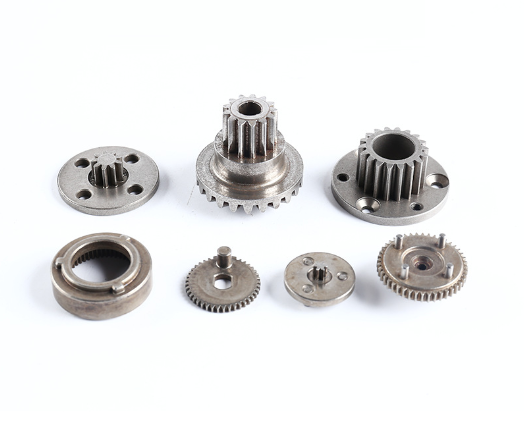
Unlike wrought stainless steel, which is machined from bar stock, sintered stainless steel parts are built from the ground up. This allows manufacturers to incorporate complex geometries, blind holes, undercuts, and intricate profiles directly during the pressing stage. Common stainless steel grades used in powder metallurgy include 304L, 316L, 410, and 430. Each grade offers a different balance of corrosion resistance, strength, and magnetic properties, making sintered stainless steel parts suitable for applications ranging from medical devices to marine hardware.
3 Specifications of Sintered Stainless Steel Parts
To specify sintered stainless steel parts correctly, you must understand three critical parameters that determine performance, durability, and cost.
1. Density and Porosity Level
Density is the most fundamental specification, expressed as a percentage of the theoretical solid density of the alloy. Standard single-press sintered stainless steel parts typically achieve 80 to 88 percent density, leaving 12 to 20 percent internal porosity. Higher density improves tensile strength, ductility, and corrosion resistance by reducing the internal surface area exposed to corrosive media. For demanding applications, double-press double-sinter processes or high-temperature sintering can push density above 92 percent. The specified density level directly impacts the part’s mechanical properties and cost.
2. Corrosion Resistance and Alloy Grade Selection
The stainless steel grade chosen determines how the part withstands specific environments. Austenitic grades like 304L and 316L offer excellent general corrosion resistance and are non-magnetic. Grade 316L contains molybdenum, providing superior resistance to chlorides and saltwater exposure. Ferritic grade 430 is magnetic and offers good corrosion resistance at a lower cost. Martensitic grade 410 can be hardened by heat treatment for wear applications. The interconnected porosity in sintered stainless steel parts can trap corrosive media, so the specified grade must account for both the bulk material properties and the effects of residual porosity.
3. Sintering Atmosphere and Process Control
The sintering atmosphere is critically important for stainless steel powders. Unlike carbon steel, stainless steel requires precise control of oxygen, carbon, and nitrogen levels during sintering. Dissociated ammonia or pure hydrogen atmospheres prevent oxidation and minimize carbon pickup. Nitrogen can be absorbed from the atmosphere, altering the microstructure and reducing corrosion resistance. A high-quality manufacturer of sintered stainless steel parts monitors the furnace dew point continuously and controls the gas flow precisely. Ask suppliers about their atmosphere control systems and whether they perform vacuum sintering, which provides the cleanest environment for stainless alloys.
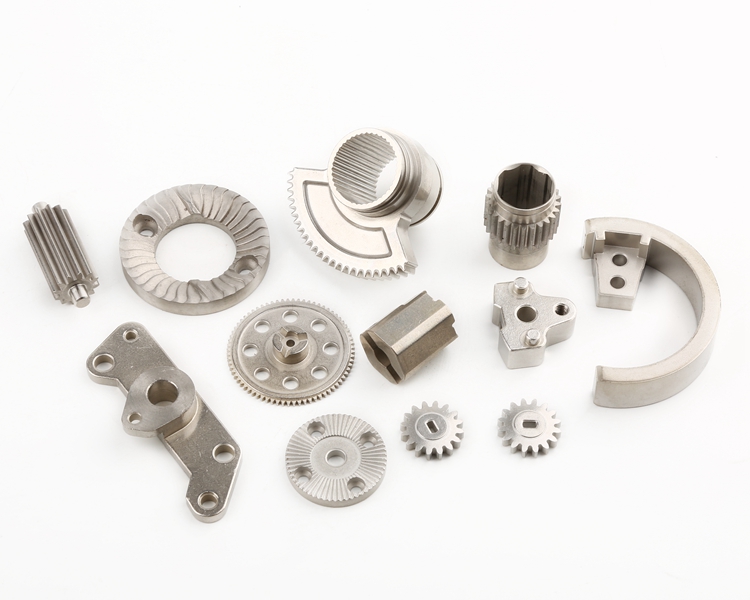
Applications of Sintered Stainless Steel Parts
The unique combination of corrosion resistance, design flexibility, and cost efficiency makes sintered stainless steel parts essential across diverse industries where reliability in harsh environments is non-negotiable.
Medical and dental instruments represent a major application area. Surgical forceps, orthodontic brackets, and implantable device components are produced using 316L powder. The biocompatibility of stainless steel, combined with the ability to form intricate shapes without machining, makes powder metallurgy ideal for these high-value applications. The controlled porosity can even be used advantageously to allow bone ingrowth in certain orthopedic implants.
Food processing and beverage equipment depend on sintered stainless steel parts for components that contact food products. Pump impellers, valve bodies, and mixer blades must withstand frequent washdowns with aggressive cleaning chemicals while maintaining smooth, cleanable surfaces. The near-net-shape capability reduces the need for welds and crevices where bacteria could harbor, improving overall equipment hygiene.
Marine hardware and coastal infrastructure benefit greatly from these components. Boat fittings, rail brackets, and dock hardware exposed to salt spray and humidity use 316L sintered stainless steel parts. The molybdenum content provides the necessary pitting resistance in chloride-rich environments. The cost advantage over machined stainless steel allows manufacturers to offer durable, corrosion-resistant products at competitive prices.
Automotive sensor components and exhaust system parts require both heat and corrosion resistance. Oxygen sensor bosses, exhaust gas recirculation valve components, and turbocharger actuator parts use ferritic and austenitic sintered stainless steel parts. These components must survive thermal cycling, vibration, and exposure to combustion byproducts without degradation over the vehicle’s lifetime.
Chemical processing equipment uses these parts for pump components, filter housings, and metering valves. The ability to produce complex internal passages without machining simplifies fluid handling designs. Controlled porosity can be engineered into filter elements, allowing sintered stainless steel parts to serve as both structural components and filtration media simultaneously.
Consumer products including watches, eyewear frames, and luxury pen components use sintered stainless steel for small, intricate parts. The ability to achieve fine detail and smooth surfaces through sizing operations makes powder metallurgy attractive for cosmetic applications where appearance matters alongside function.
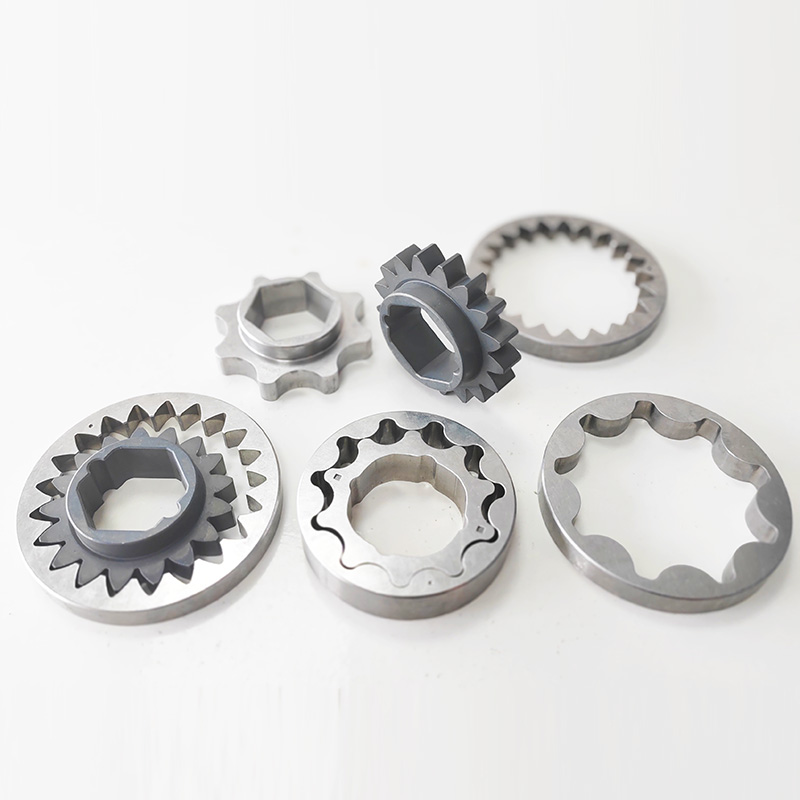
How to Choose a Supplier for Sintered Stainless Steel Parts
Selecting the right manufacturer requires careful evaluation of their technical capabilities and quality systems. Follow these steps to identify a supplier who can deliver consistent quality for your specific requirements.
Step 1: Verify Stainless Steel Powder Metallurgy Experience
Sintering stainless steel is fundamentally more demanding than processing carbon steel. Ask potential suppliers specifically about their experience with stainless alloys. How many years have they been producing sintered stainless steel parts? What grades do they regularly process? Request case studies or examples of similar parts they have manufactured. A supplier with extensive stainless experience will understand the atmosphere control, temperature profiling, and post-sintering treatment nuances that separate successful parts from rejects.
Step 2: Examine Their Sintering Furnace Capabilities
The furnace is the most critical piece of equipment for producing quality sintered stainless steel parts. Ask whether they use continuous mesh-belt furnaces, pusher furnaces, or vacuum furnaces. Vacuum sintering provides the cleanest environment and best corrosion resistance but costs more. Continuous furnaces offer higher throughput. Inquire about their atmosphere generation and monitoring systems. Do they use pure hydrogen, dissociated ammonia, or nitrogen-hydrogen blends? Can they control the dew point to below minus 40 degrees Celsius to prevent oxidation? The furnace technology directly determines the corrosion resistance and mechanical properties of your parts.
Step 3: Assess Material Handling and Powder Storage Practices
Stainless steel powder is sensitive to contamination and oxidation. Visit the facility or request a virtual tour focusing on powder handling areas. Clean, climate-controlled storage prevents moisture pickup that degrades powder flow and compressibility. Segregated storage prevents cross-contamination with carbon steel powders that would compromise corrosion resistance. A supplier serious about quality will have documented powder handling procedures and will conduct incoming inspection tests on each powder lot.
Step 4: Review Quality Certifications and Inspection Capabilities
Confirm relevant certifications. ISO 9001 is the baseline requirement. For medical applications, look for ISO 13485 certification that demonstrates compliance with medical device quality management standards. For automotive, IATF 16949 is the standard. Beyond certifications, examine their inspection equipment. Do they have a coordinate measuring machine for dimensional verification? Can they perform metallographic analysis to verify microstructure and porosity levels? For sintered stainless steel parts, corrosion testing capability such as salt spray chambers adds confidence that the parts will perform as expected.
Step 5: Evaluate Secondary Processing and Finishing Options
Sintered stainless steel parts often require post-sintering treatments. Passivation removes free iron from the surface and enhances the natural corrosion resistance. Resin impregnation seals interconnected porosity for applications requiring pressure tightness or improved plating adhesion. Some parts need CNC machining for critical tolerances. Ask which secondary processes the supplier handles in-house. A supplier with integrated passivation lines and machining capability provides single-source responsibility and shorter lead times.
Step 6: Request Prototype Samples and Performance Data
Before committing to full production, order prototype samples produced on production-intent tooling. Test these samples in your actual application environment. Measure corrosion resistance, verify dimensional stability, and confirm mechanical properties. Ask the supplier to provide a complete material certification including density, hardness, and microstructure images. This prototype phase validates that the supplier’s process produces sintered stainless steel parts that meet your specific requirements before you invest in full-scale production.
Step 7: Discuss Long-Term Partnership and Continuous Improvement
The best supplier relationships extend beyond transactional orders. Ask about their approach to continuous improvement and cost reduction. Do they track process capability indices and share the data? Will they proactively suggest design modifications that reduce cost or improve quality? A supplier committed to long-term partnership treats your sintered stainless steel parts program as a collaborative engineering effort, not just a series of purchase orders. This partnership mindset delivers value throughout the product lifecycle.
8 Tips to Find Great Powdered Metal Companies for Your Project
FAQ: Your Sintered Stainless Steel Parts Questions Answered
1. Are sintered stainless steel parts as corrosion-resistant as wrought stainless steel?
At equal density and with proper sintering atmosphere control, sintered stainless steel parts can approach the corrosion resistance of wrought material. However, residual internal porosity increases the total surface area exposed to corrosive media, which can accelerate localized attack. High-density processing above 92 percent of theoretical density, combined with proper passivation, significantly closes the performance gap. For the most demanding corrosive environments, specify high-density processing and validate performance through salt spray or immersion testing.
2. Can sintered stainless steel parts be welded?
Welding porous sintered stainless steel is challenging but possible with proper preparation. The internal pores contain trapped gases that expand during welding, causing porosity in the weld bead. To achieve sound welds, the parts should be produced to high density with minimal interconnected porosity. Alternatively, the weld zone can be infiltrated with a compatible filler material before welding. Discuss your welding requirements early with the supplier so they can recommend the appropriate density level and any pre-weld treatments.
3. What is the typical lead time for custom sintered stainless steel parts?
Tooling design and fabrication typically requires six to ten weeks for the initial die set. Prototype sample production adds another two to three weeks. After prototype approval, production quantities can ship within three to five weeks depending on the complexity of secondary operations. Complex multi-level parts requiring specialized tooling take longer than simple shapes. Always discuss lead times early in the design process and include buffer time for the inevitable iterations during prototype validation.
Conclusion
Sintered stainless steel parts represent a powerful manufacturing solution that combines the corrosion resistance of premium alloys with the design freedom and cost efficiency of powder metallurgy. By understanding the critical specifications of density, alloy grade selection, and sintering atmosphere control, you can specify components that perform reliably in medical, marine, food processing, and automotive applications. Selecting a supplier with proven stainless steel experience, advanced furnace technology, and robust quality systems ensures your project delivers consistent, high-quality results from prototype through full production.