Manufacturing complex parts efficiently while controlling costs challenges every product designer today. Pressed metal technology offers a proven solution that transforms flat sheets and powdered alloys into precise, durable components with remarkable speed. This guide explains the process, specifications, and how to find the right manufacturing partner.
What is Pressed Metal
Pressed metal refers to components manufactured by applying high pressure to shape metal into a desired form. The term covers two primary processes: stamping, where flat sheet metal is shaped using a die and punch, and powder compaction, where fine metal powder is compressed in a precision die and then sintered in a furnace. Both methods produce near-net-shape parts that require minimal secondary machining.
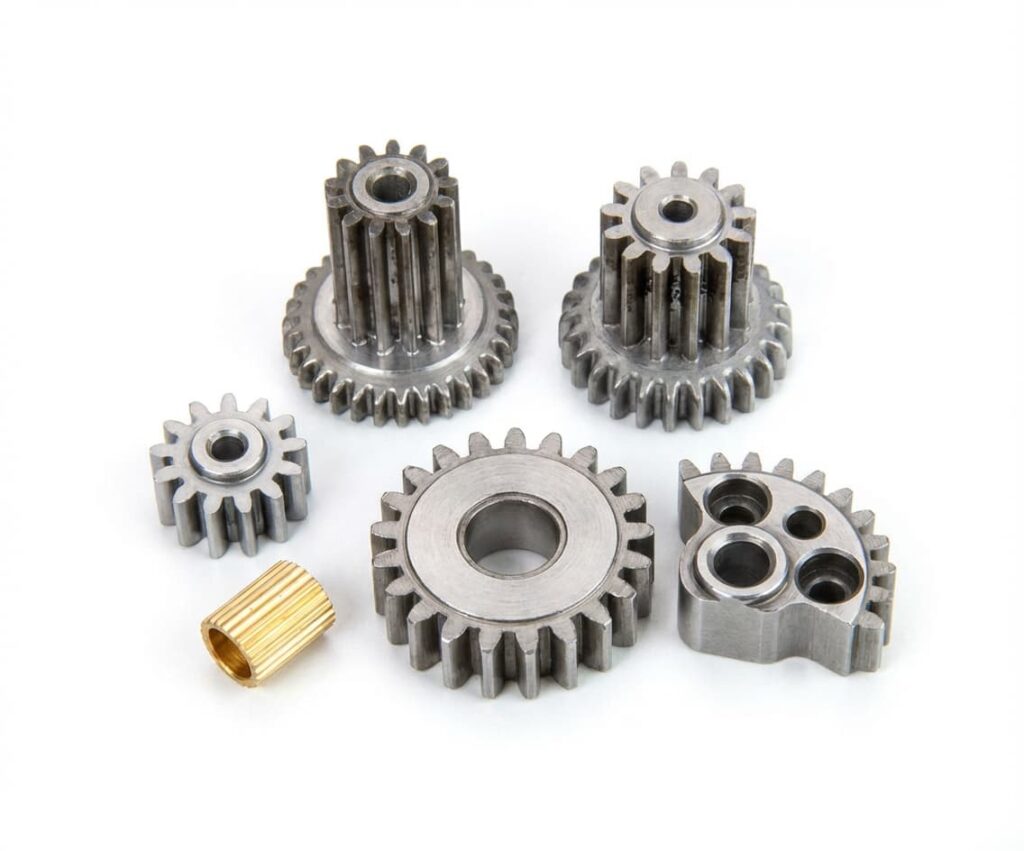
In sheet metal stamping, a flat blank is placed between a die and a punch. When the press closes, the metal flows into the die cavity, taking its final shape in a fraction of a second. In powder metallurgy, a measured amount of metal powder fills a die cavity, and upper and lower punches compress it into a green compact. This compact is then heated in a controlled atmosphere furnace to bond the particles. Pressed metal components range from tiny electronic connectors to large automotive body panels, all sharing the common benefit of high-speed, repeatable production.
3 Specifications of Pressed Metal
Understanding the key specifications of pressed metal ensures your components meet functional requirements and quality standards. These three parameters govern the success of any project.
1. Material Grade and Formability
The starting material dictates what shapes are possible and how strong the final part will be. For sheet metal stamping, common materials include cold-rolled steel, stainless steel, aluminum, copper, and brass. Each has a specific formability rating, often expressed as an elongation percentage. Deep drawing requires material with high elongation to stretch into the die without tearing. For powder metallurgy, the material is specified by powder grade, such as iron-carbon or iron-copper-carbon alloys. The compressibility of the powder determines the final density achievable in the pressed metal component.
2. Dimensional Tolerance and Consistency
Tight tolerances separate high-quality pressed metal parts from average ones. Stamped parts typically hold tolerances of plus or minus 0.05 millimeters for critical dimensions, while fine-blanking can achieve even tighter control. Powder metal parts shrink during sintering, and the tooling must compensate for this shrinkage precisely. After calibration or sizing, sintered components can achieve tolerances of plus or minus 0.01 millimeters. The tolerance specification on your drawing directly impacts tooling cost and production speed, so specify only what your design truly needs.
3. Surface Finish and Edge Quality
The surface condition of pressed metal affects both aesthetics and function. Stamped parts may exhibit burrs along sheared edges that require deburring or tumbling. The surface finish of the sheet material transfers to the part, so pre-finished materials like brushed stainless or coated steel maintain their appearance through stamping. For powder metal parts, the as-sintered surface has a matte texture due to the inherent porosity. Sizing or burnishing creates smooth, shiny surfaces on bearing journals and gear flanks. Edge quality is especially critical for safety and assembly, and the specification should clearly state acceptable burr limits.
Applications of Pressed Metal
Pressed metal components appear in virtually every industry because the process combines speed, precision, and material efficiency. The following areas represent major application categories.
The automotive industry consumes vast quantities of pressed metal parts. Car body panels, brackets, engine mounts, transmission gears, and brake components all rely on stamping or powder metallurgy. A single vehicle contains hundreds of sintered parts, including oil pump gears, valve guides, and sensor rings. Sheet metal stamping produces doors, hoods, and structural reinforcements with high strength-to-weight ratios essential for fuel efficiency and crash safety.
Consumer electronics depend on precision pressed metal for connectors, shielding cans, and structural frames. Smartphone chassis, laptop hinges, and battery contacts are stamped from thin-gauge copper alloys or stainless steel. The tight tolerances and burr-free edges required for these applications demand advanced tooling and precise press control. High-volume production keeps per-part costs low despite the demanding specifications.
Medical devices and surgical instruments use pressed metal for components that must be biocompatible and corrosion-resistant. Stainless steel powder metal parts appear in orthopedic implants, dental tools, and diagnostic equipment. Sheet metal stamping produces disposable scalpel blades, forceps, and tray components. The cleanability and sterilizability of these components are non-negotiable requirements.
Aerospace applications demand the highest levels of quality and traceability. Pressed metal components in aircraft include bracket assemblies, sensor housings, and engine mounts. Lightweight aluminum and titanium alloys are common in stamped parts, while high-temperature nickel alloys appear in powder metal turbine components. Every part undergoes rigorous inspection and documentation.
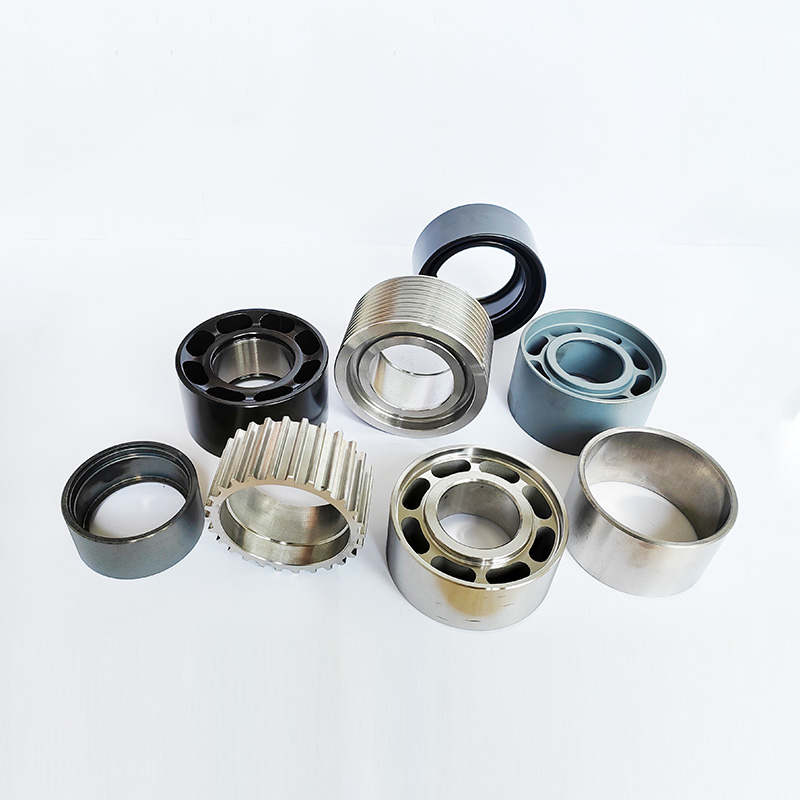
Industrial machinery and power tools use large quantities of pressed metal gears, sprockets, and bearings. Powder metallurgy excels here because the process can produce complex shapes with integrated features that would require multiple machining operations. Self-lubricating sintered bearings eliminate maintenance requirements in sealed assemblies. Stamped steel housings and guards protect operators while reducing machine weight.
Home appliances and hardware products fill our daily lives with pressed metal. Door hinges, cabinet handles, lock mechanisms, and kitchen utensil components are stamped or sintered in enormous volumes. The combination of low cost, consistent quality, and corrosion-resistant finishes makes these processes ideal for consumer goods that must look good and function reliably for years.
How to Choose a Pressed Metal Supplier
Selecting the right manufacturing partner for your pressed metal components requires systematic evaluation. Follow these steps to identify a supplier who can deliver quality parts on time and within budget.
Step 1: Define Your Process Requirements Clearly
Determine whether your part needs sheet metal stamping or powder metallurgy before approaching suppliers. Thin, flat or shallow-drawn parts suit stamping. Thick, complex three-dimensional shapes with integrated features like gears, cams, or hubs often favor powder metallurgy. Create a detailed drawing with material specifications, tolerances, and surface finish requirements. A clear, complete specification allows suppliers to quote accurately and demonstrates your professionalism.
Step 2: Verify Equipment Capability and Capacity
Ask each supplier about their press tonnage range and bed size. A stamping supplier must have presses large enough to accommodate your part’s blank size and strong enough to achieve the required forming force. For powder metal, inquire about press tonnage and whether they operate hydraulic or mechanical presses. Hydraulic presses offer more control for complex multi-level parts. Also confirm the supplier has enough available capacity to handle your production volume without causing delivery delays.
Step 3: Evaluate Tooling Design and Manufacturing Expertise
Tooling quality determines part quality. Ask whether the supplier designs and builds tooling in-house. In-house toolmaking allows faster design iterations and responsive troubleshooting. For stamping, ask about their experience with progressive dies, transfer dies, or fine-blanking tools depending on your part geometry. For powder metal, confirm they have experience with multi-level tooling and understand shrinkage compensation. A supplier that outsources tooling introduces communication gaps and longer lead times for modifications.
Step 4: Review Quality Systems and Certifications
Request copies of quality certifications. ISO 9001 is the baseline expectation for any professional pressed metal supplier. Automotive applications require IATF 16949, medical devices need ISO 13485, and aerospace demands AS9100. Beyond certificates, ask about their inspection equipment. Do they have coordinate measuring machines, optical comparators, and surface finish testers? Ask to see a sample First Article Inspection Report. The documentation quality reveals the supplier’s true commitment to precision.
Step 5: Assess Secondary Processing Capabilities
Pressed metal parts rarely ship directly from the press or furnace as finished goods. They often need deburring, heat treatment, plating, painting, or assembly. Ask which secondary operations the supplier handles in-house. A supplier with integrated heat treatment, coating lines, and CNC machining provides single-source accountability. Every outsourced step adds logistics cost, lead time, and quality risk. Vertical integration is a strong indicator of a capable pressed metal manufacturer.
Step 6: Evaluate Communication and Engineering Support
Send a preliminary inquiry with your part drawing and observe the response carefully. Does the supplier simply quote a price, or do they ask clarifying questions and offer design-for-manufacturability suggestions? A good pressed metal supplier acts as an engineering partner. They should identify potential forming issues, suggest material alternatives that reduce cost without sacrificing performance, and propose tolerance adjustments that simplify production. This collaborative approach saves money and prevents problems before tooling is built.
Step 7: Check References and Visit the Facility
Request references from current customers in a similar industry. Contact those references and ask about on-time delivery performance, quality rejection rates, and responsiveness to issues. If possible, visit the supplier’s facility. Observe the cleanliness and organization of the shop floor. Well-maintained presses, organized tool storage, and a professional metrology lab indicate a company that takes pride in its work. A personal visit also builds the relationship that proves valuable when tight deadlines or technical challenges arise.
8 Tips to Find Great Powdered Metal Companies for Your Project
FAQ: Your Pressed Metal Questions Answered
1. What is the difference between pressed metal and machined metal?
Pressed metal processes, including stamping and powder compaction, form the part to near-net-shape in a single operation. Machining removes material from a solid block or bar. Pressed metal is faster and wastes far less material, making it more economical for medium to high volumes. Machining offers greater flexibility for low volumes and can achieve tighter tolerances without specialized tooling. Many components combine both methods, with pressing creating the basic shape and machining refining critical features.
2. How long does tooling for pressed metal components last?
Tooling lifespan depends on the process, material, and maintenance. Carbide dies for powder metallurgy typically last 300,000 to 1,000,000 strokes before requiring refurbishment. Steel stamping dies for sheet metal can last from 100,000 strokes for simple operations to over 1,000,000 strokes for well-maintained progressive dies with carbide inserts. The abrasive nature of the material being formed is the primary wear factor. Regular maintenance, sharpening, and timely insert replacement extend tool life significantly.
3. Can pressed metal parts be welded or plated?
Yes, but with specific considerations. Powder metal parts contain internal porosity that can absorb plating solutions and cause internal corrosion or blistering. To plate sintered parts, the density must be high enough to close surface pores, or the part must be resin-impregnated to seal them. Welding porous parts can release trapped gases that create weld bead porosity. Specify your finishing requirements upfront so the supplier can adjust the compaction parameters or recommend an appropriate sealing treatment for your pressed metal components.
Conclusion
Pressed metal technology delivers an unbeatable combination of speed, precision, and material efficiency across countless industries. By understanding the critical specifications of material grade, dimensional tolerance, and surface finish, you can specify components that perform reliably in the most demanding applications. Selecting the right supplier through systematic evaluation of equipment, tooling expertise, quality systems, and communication ensures your pressed metal project proceeds smoothly from prototype to full production, delivering consistent quality at a competitive cost.