Introduction
Choosing the right partner matters. Powdered metal suppliers provide the raw materials that power modern manufacturing. From automotive parts to medical devices, the quality of your metal powder determines your final product. This guide helps you find the best supplier with confidence.
What Are Powdered Metal Suppliers?
Powdered metal suppliers are companies that produce, process, and distribute fine metal powders used in manufacturing. These powders are the foundation of powder metallurgy — a process where metal particles are compacted and sintered to create precise, high-performance components.
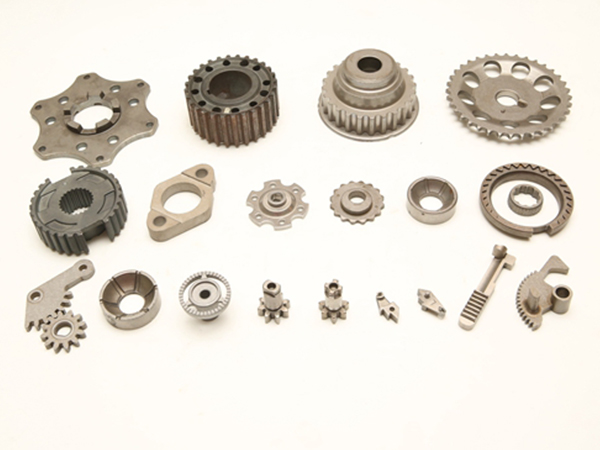
Unlike traditional metal suppliers who sell bars, sheets, or rods, these companies deal in engineered particles. Each powder is carefully manufactured to meet exact specifications for particle size, shape, chemical composition, and flow properties.
The metals available from these suppliers include iron, copper, stainless steel, nickel, titanium, aluminum, and tungsten — as well as custom alloys designed for specific performance requirements. The powder can be produced through several methods including water atomization, gas atomization, electrolysis, and chemical reduction. Each method produces particles with different characteristics suited to different end applications.
Industries that rely on these specialists include automotive manufacturing, aerospace engineering, medical device production, electronics, energy, and defense. The growing demand for additive manufacturing — 3D metal printing — has also dramatically increased the global need for high-quality, precisely sized metal powders.
Working with the right Powdered metal suppliers is not just about price. It directly affects the consistency of your production, the quality of your end products, and your ability to meet industry certifications and regulatory requirements.
3 Key Specifications to Understand When Sourcing Metal Powders
Before you contact any powdered metal suppliers, you need to understand the three most critical technical specifications that define metal powder quality:
1. Particle Size Distribution (PSD)
Particle size is the single most important specification in metal powder. It is measured in microns (µm) and described using D10, D50, and D90 values — representing the size at which 10%, 50%, and 90% of particles fall below a given diameter. For sintering processes, powders typically range from 10 to 150 µm. For metal additive manufacturing (3D printing), tighter distributions of 15–45 µm or 45–106 µm are standard. Always request a particle size certificate from any prospective supplier.
2. Chemical Purity and Composition
The chemical makeup of the powder directly affects the mechanical properties of the sintered part. Reputable vendors provide a Certificate of Analysis (CoA) with every batch, confirming the elemental composition and identifying trace impurities. Even small deviations — for example, excess oxygen content in titanium powder — can lead to brittleness, porosity, or part failure. For regulated industries like medical or aerospace, traceability of chemical composition is non-negotiable.
3. Flowability and Apparent Density
Flowability describes how easily powder moves through hoppers, dies, and printer nozzles. It is measured using the Hall flowmeter funnel test (ASTM B213). Apparent density — how much a given volume of loose powder weighs — affects compaction behavior and dimensional accuracy of the final part. These two properties vary significantly between atomization methods and must be matched to your specific equipment and process. Always ask your shortlisted vendors for flowability data before ordering large quantities.
How to Find the Right Powdered Metal Suppliers
Finding trustworthy powdered metal suppliers takes more than a quick internet search. Follow these steps to build a reliable shortlist:
Start with Industry Directories and Trade Associations Organizations like the Metal Powder Industries Federation (MPIF), the European Powder Metallurgy Association (EPMA), and ASM International maintain directories of certified member suppliers. These are excellent starting points because membership requires adherence to industry standards. Trade shows such as PowderMet and Formnext also connect buyers directly with leading suppliers from around the world.
Search for Specialists in Your Material Not all powdered metal suppliers carry every metal type. Some specialize in ferrous powders (iron, steel), others in non-ferrous (copper, aluminum), and others focus on specialty or refractory metals (titanium, tungsten, molybdenum). Search for suppliers who specialize in your specific material — they will have deeper technical expertise and more consistent quality control for that product line.
Request Samples and Test Reports Before placing any production order, always request powder samples and ask for full technical data including PSD, CoA, flowability, and apparent density results. Run your own internal tests using your actual equipment and process conditions. Reputable suppliers will support this process without hesitation.
Evaluate Quality Management Systems Look for suppliers certified to ISO 9001 as a minimum. For aerospace applications, AS9100 certification is expected. For medical applications, ISO 13485 is the relevant standard. These certifications demonstrate that the supplier has documented, audited processes in place to deliver consistent quality batch after batch.
Compare Pricing, Lead Times, and Minimum Orders Pricing should be transparent and based on clearly defined grades. Ask about minimum order quantities (MOQ), lead times for standard and custom materials, and any price breaks at volume thresholds. Reliable powdered metal suppliers will provide clear commercial terms without hidden fees.
Important Notices When Working With Powdered Metal Suppliers
Sourcing metal powders involves risks and responsibilities that buyers must understand:
Powder Handling Safety Fine metal powders present inhalation and combustion hazards. Many metal powders — including aluminum, titanium, and iron — are classified as combustible dusts under OSHA and NFPA standards. Always request a Safety Data Sheet (SDS) from your supplier before receiving any powder. Ensure your facility has proper ventilation, grounding, and fire suppression systems in place.
Batch-to-Batch Consistency Even from the same supplier, powder properties can vary between production batches due to raw material variation, equipment wear, or process drift. Establish incoming inspection protocols — including PSD testing and chemical verification — for every new batch you receive, especially for critical applications.
Storage and Shelf Life Metal powders are sensitive to moisture and atmospheric contamination. Reactive powders such as titanium and aluminum require sealed, inert-gas-purged packaging and climate-controlled storage. Confirm storage requirements with your supplier and establish a first-in, first-out (FIFO) inventory rotation policy.
Import and Export Regulations Some metal powders — particularly those containing rare earth elements, tungsten, or materials with dual-use potential — are subject to export control regulations such as ITAR (USA), EAR (USA), and similar frameworks in the EU and other jurisdictions. Verify compliance requirements before sourcing from international vendors to avoid costly customs delays or legal penalties.
Related Products and Services From Powdered Metal Suppliers
Many of these companies offer more than just raw powder. Understanding their full product and service range can add significant value to your supply chain:
Pre-Alloyed and Master Alloy Powders Rather than blending powders yourself, you can source pre-alloyed powders that are atomized from a specified alloy melt. This eliminates blending variability and delivers more homogeneous sintered microstructures. Master alloys — concentrated blends of alloying elements — are used in small additions to base powders for precise composition control.
Custom Powder Development Leading suppliers offer R&D services to develop custom powder grades for unique applications. If your component requires a non-standard alloy or an unusual particle morphology — for example, spherical titanium with a very tight 20–40 µm distribution for a specific 3D printer — a capable supplier can develop and qualify this material specifically for your process.
Toll Processing and Powder Coating Services Some suppliers offer toll processing — taking your raw metal and converting it into powder form using their atomization equipment. Others offer powder coating services, applying thin functional layers to powder particles to improve flow, reduce oxidation, or add lubrication. These value-added services reduce the need for multiple supply chain partners.
Technical Consulting and Application Support The best powdered metal suppliers don’t just ship boxes — they provide application engineering support. This can include sintering cycle optimization, compaction tooling advice, powder selection guidance for new product development, and troubleshooting assistance when production issues arise. This level of partnership is especially valuable for companies entering powder metallurgy for the first time.
Frequently Asked Questions (FAQ)
Q1: How do I know if a metal powder supplier is trustworthy?
Look for ISO certification, industry association membership (such as MPIF or EPMA), and a willingness to provide full technical documentation including CoA, SDS, and PSD test reports. Trusted powdered metal suppliers will also offer sample quantities before large orders and be transparent about their manufacturing processes, raw material sources, and quality control systems. Customer references and third-party audit reports are also strong indicators of reliability.
Q2: What is the minimum order quantity when buying metal powder?
Minimum order quantities vary widely. Large commodity suppliers of iron or copper powder may have MOQs of 500 kg to several tons. Specialty suppliers of titanium, tungsten, or custom alloys may accept orders as small as 1–5 kg for development purposes. Always discuss your volume requirements early in the conversation — many powdered metal suppliers can accommodate smaller initial orders for qualified new customers who show long-term potential.
Q3: Can powdered metal suppliers produce custom particle sizes?
Yes, most established Powdered metal suppliers offer custom particle size distributions tailored to your process. For standard sintering, broad distributions are typically acceptable. For metal additive manufacturing, tight, application-specific distributions are critical and can be produced through controlled atomization and precision sieving. Custom grades typically require a development lead time of 4–12 weeks and may carry a premium price, but the performance consistency they deliver is usually worth the investment.
Conclusion
Sourcing from the right partner is one of the most important decisions in powder metallurgy manufacturing. The best powdered metal suppliers combine technical expertise, consistent quality, strong certification credentials, and genuine customer support. By understanding particle size, chemical purity, and flowability — and by following a structured evaluation process — you can build a supply chain that delivers reliable results every time. Take your time, request samples, verify certifications, and choose a supplier who sees themselves as a long-term partner in your success.
6 Advantages of Powder Metallurgy Parts for Modern Engineering