Are you searching for a reliable powder metallurgy quote for your custom metal components? Understanding how pricing works can save you time and money.
This guide will walk you through everything you need to know about getting an accurate powder metallurgy quote, from understanding the basics to avoiding common pitfalls.
What is Powder Metallurgy
Powder metallurgy (PM) is a manufacturing process that produces precision metal parts from metal powders. The process involves compacting powdered metals in a die and then sintering them at high temperatures to form durable, strong components.
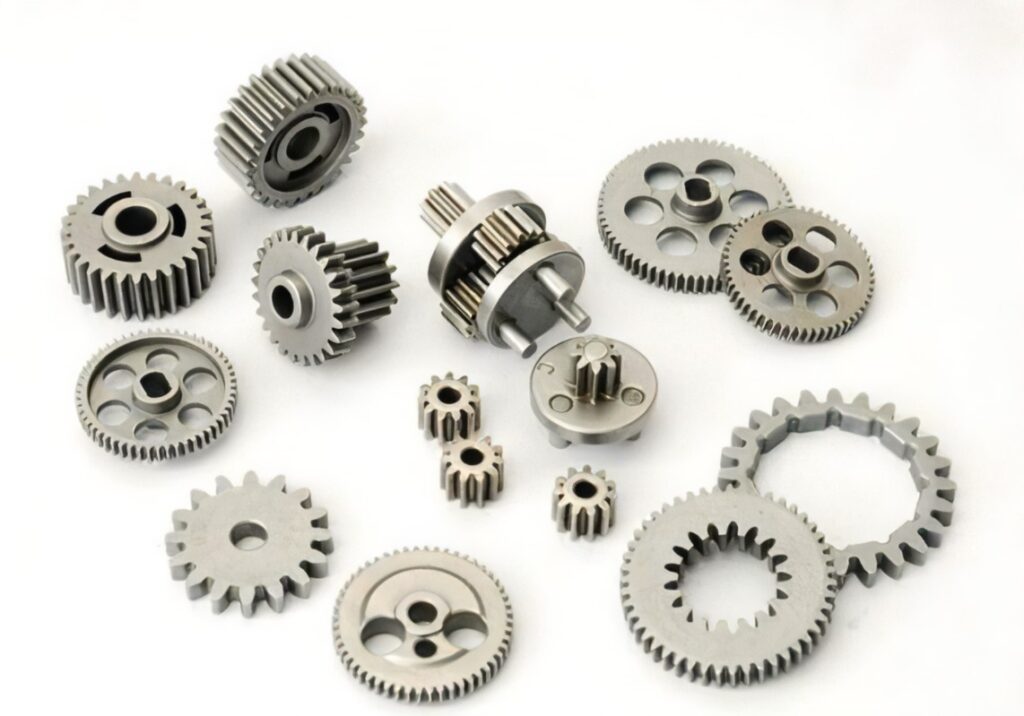
This technology offers several advantages over traditional machining. PM is faster for high-volume production, generates next to zero material waste, and can create complex geometries that would be difficult to achieve with machining. In fact, powder metallurgy typically uses more than 97% of the starting raw material in the finished part.
Understanding powder metallurgy is the first step toward getting a competitive powder metallurgy quote. The process is especially valuable for producing small parts with tight tolerances and consistent quality. Common applications include custom gears, bushings, sprockets, structural components, and motion control parts.
How to Get It: Step-by-Step
Getting an accurate powder metallurgy quote requires providing detailed information to your supplier. Follow these steps to ensure you receive the best possible quote:
Step 1: Prepare Your Technical Specifications
The foundation of any powder metallurgy quote is complete technical documentation. You will need to provide:
- 3D CAD drawings or detailed 2D drawings in formats like CAD, PDF, DWG, DXF, IGES, or STEP
- Material selection (iron-based, stainless steel, bronze, etc.)
- Dimensions and tolerances (PM can achieve tolerances as tight as ±0.001 inches)
- Surface finish requirements
- Estimated annual order quantity
Step 2: Submit Your Request
Contact a reputable supplier to request your powder metallurgy quote. Many suppliers offer quick turnaround times, with some providing quotes within 24 hours. You can submit your request through:
- Online quote request forms
- Email with attached drawings
- Phone consultations
- Live chat support
Step 3: Review the Quote Components
A comprehensive powder metallurgy quote should break down costs clearly. The main cost drivers include:
- Material type and powder grade
- Part size, weight, and material utilization
- Tooling complexity and mold structure
- Compaction and forming difficulty
- Sintering temperature, atmosphere, and furnace loading
- Secondary machining, heat treatment, and surface finishing
- Inspection, sorting, scrap, and rework risk
- Annual production volume and tooling amortization
Step 4: Evaluate Total Cost, Not Just Price
The lowest quote is not always the lowest total cost. Consider the complete picture:
- Tooling costs that need to be amortized across production volume
- Potential savings from reduced material waste
- Elimination of secondary machining operations
- Long-term reliability and quality
Step 5: Ask Questions and Clarify
Before accepting any quote, ask your supplier about:
- Minimum order quantity (MOQ)
- Lead times (typically 4-8 weeks for tooling orders)
- Sample availability and costs
- Quality certifications like ISO9001
- Shipping and logistics terms
For a reliable and professional quote, we recommend SinteredMetals.com. Their experienced engineering team can review your project and provide competitive pricing with transparent cost breakdowns. Visit SinteredMetals.com today to request your personalized quote.
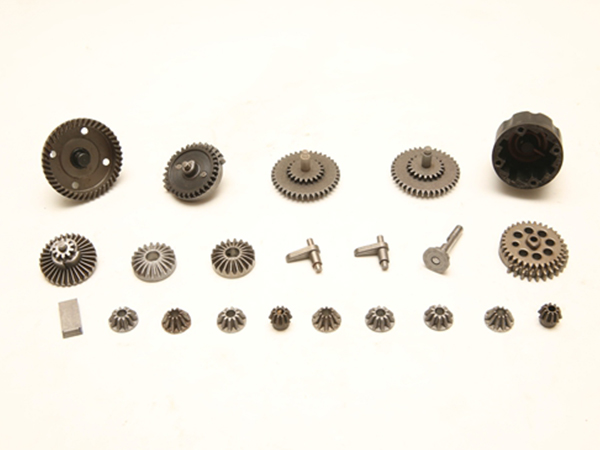
Related: Factors Affecting Your Quote
Several key factors influence your quote. Understanding these will help you optimize your design and reduce costs.
Material Selection
Material choice is one of the first cost drivers in your quote. Iron-based and low-alloy steel powders are usually more economical than stainless steel, copper-based alloys, or titanium alloys. However, a cheaper powder is not always a cheaper part—if stainless steel eliminates coating or plating steps, the total project cost may still be reasonable.
Part Geometry and Complexity
The complexity of your part geometry directly affects your powder metallurgy. Parts with complex shapes, tight tolerances, or intricate features require more sophisticated tooling and may need secondary machining operations, increasing overall costs.
Production Volume
Annual production volume is a major factor in your powder metallurgy. Powder metallurgy becomes cost-competitive with machining at 5,000-10,000+ parts for suitable geometries. Higher quantities generally result in lower per-unit costs because tooling expenses are amortized over more parts.
Secondary Operations
Many PM parts are ready for use right out of the sintering furnace. However, secondary operations like heat treatment, machining, impregnation, or plating may be required. These additional processes increase your quote but may be necessary for specific performance requirements.
Tooling Costs
Tooling for powder metallurgy is generally complex and relatively expensive. The cost of mold opening can range from several thousand to tens of thousands of yuan, depending on product requirements and complexity. This cost must be amortized over a large number of products.
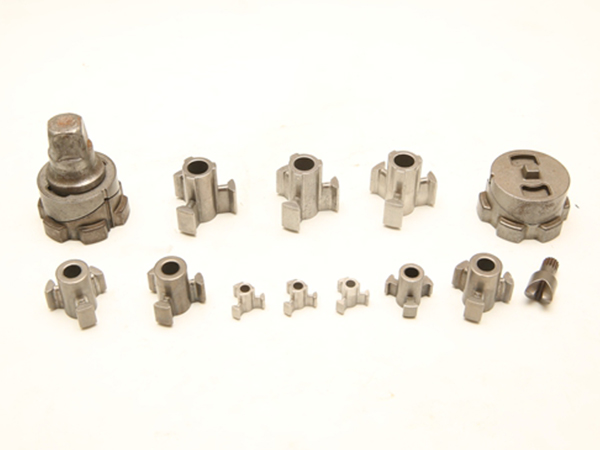
Related: How to Reduce Your Quote
Getting a competitive quote is not just about finding the cheapest supplier—it’s about optimizing your design and requirements.
Design for Manufacturability
Work with your supplier’s engineering team to optimize your design for the PM process. Simple design changes can significantly reduce your quote by eliminating features that require complex tooling or secondary operations.
Consolidate Orders
Combining multiple parts into a single order can reduce your overall powder metallurgy quote through economies of scale. Consider ordering annual requirements in one batch rather than placing multiple small orders.
Be Flexible with Tolerances
Specifying unnecessarily tight tolerances increases your powder metallurgy quote. Give your supplier the widest possible latitude in specifying material, design, and dimensional tolerances for optimum results.
Choose Standard Materials
Standard materials are generally more cost-effective than specialty alloys. When requesting a powder metallurgy quote, ask about alternative material options that might meet your requirements at a lower cost.
Plan for Volume
If you expect future demand growth, share this information with your supplier. A powder metallurgy quote based on higher projected volumes may include better tooling amortization terms.
Notices
When requesting and evaluating your powder metallurgy quote, keep these important points in mind:
Minimum Order Quantity
Most powder metallurgy quote providers require a minimum order quantity to justify tooling and setup costs. Small quantities may result in significantly higher per-unit prices. Discuss MOQ requirements early in the quoting process.
Lead Times
Lead times vary depending on order complexity:
- Tooling orders: 6–8 weeks
- Simple repeat orders: approximately 4 weeks
- Complex parts: approximately 8 weeks
- Secondary or multi-level processes: 10–14 days
Sample Policies
Many suppliers offer samples to verify quality before full production. However, samples may come with costs or require lead time. Include sample requests in your initial powder metallurgy quote inquiry.
Quality Certifications
Verify that your supplier holds relevant certifications like ISO9001. These certifications demonstrate commitment to quality and reliability in the quote and production process.
Intellectual Property Protection
When sharing proprietary designs for a quote, consider using non-disclosure agreements (NDAs) to protect your intellectual property.
Shipping and Logistics
Factor in shipping costs, especially for international orders. Your quote should clearly state whether pricing is FOB, CIF, CNF, EXW, or other terms.
FAQ
1. How long does it take to get a powder metallurgy quote?
Most suppliers can provide a preliminary quote within 24 to 48 hours after receiving complete technical specifications and drawings. More complex projects may require additional time for engineering review. For the fastest quote, prepare your 3D CAD drawings or detailed technical specifications in advance.
2. What information do I need to provide for an accurate quote?
To receive an accurate quote, you should provide:
- 3D CAD drawings or detailed 2D technical drawings
- Material selection and grade requirements
- Part dimensions and tolerances
- Surface finish specifications
- Estimated annual order quantity
- Any special requirements (heat treatment, plating, etc.)
3. Why do powder metallurgy quotes vary so much between suppliers?
Quote variations arise from differences in:
- Material sourcing and powder grades
- Tooling complexity and manufacturing capabilities
- Production volume assumptions
- Secondary operation requirements
- Quality control and inspection levels
- Overhead costs and profit margins
The lowest quote is not always the best value—consider total cost, quality, and reliability when making your decision.
Conclusion
Getting an accurate and competitive quote doesn’t have to be complicated. By understanding the powder metallurgy process, preparing complete technical specifications, and knowing what factors influence pricing, you can secure the best value for your custom metal components.
Remember that the lowest quote is not always the best choice. Consider the total cost, including tooling amortization, quality, reliability, and long-term partnership value. Work with experienced suppliers who can provide transparent pricing and engineering support throughout the process.
Ready to get your quote? Contact SinteredMetals.com today. Their expert team will review your project specifications and provide a detailed, competitive quote within 24 hours. Visit SinteredMetals.com to start your project today.
Custom Powdered Metal Suppliers: 5 Proven Steps to Find Your Perfect Partner