Introduction
When precision, strength, and cost-efficiency matter most, powder metallurgy products deliver results that traditional manufacturing methods simply cannot match. From automotive parts to electronic components, they are shaping the future of modern industry. This guide explains everything you need to know.
What Are Powder Metallurgy Products?
Powder metallurgy products are components made by compressing fine metal powders into a specific shape and then heating them below the metal’s melting point — a process called sintering. The result is a solid, dense, and highly precise part produced without the need for extensive machining or casting.
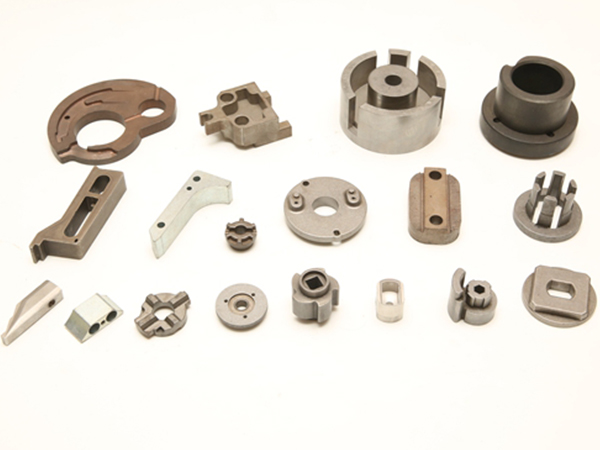
The process begins with raw metal powder — commonly iron, copper, nickel, tungsten, or titanium — which is blended with lubricants and alloying elements. This mixture is poured into a die and compressed under high pressure to form what is called a “green compact.” The compact is then sintered in a controlled furnace atmosphere, bonding the powder particles together permanently.
What sets this manufacturing method apart is the ability to achieve complex geometries, tight dimensional tolerances, and controlled porosity — all in a single production step. This dramatically reduces material waste and machining time compared to conventional subtractive manufacturing.
Powder metallurgy products are used in virtually every major industry: automotive, aerospace, electronics, medical devices, and energy. Common examples include gears, bearings, filters, bushings, brake pads, and magnetic cores.
8 Remarkable Benefits of Sintered Metal Parts You Should Know
3 Key Specifications That Define Quality
Before sourcing or ordering, understanding these three specifications of powder metallurgy productswill help you evaluate and compare options with confidence.
1. Density and Porosity Density is one of the most critical quality indicators for powder metallurgy products. It is expressed as a percentage of the theoretical full density of the material. Higher density means fewer internal voids and greater mechanical strength. Standard structural parts typically achieve 85–95% density. For applications requiring maximum strength — such as connecting rods or valve seats — near-full-density processing techniques like hot isostatic pressing (HIP) can push density above 99%. Porosity, on the other hand, is sometimes intentional: self-lubricating bearings are deliberately manufactured with open pores that hold oil and release it during operation.
2. Material Composition and Grade The mechanical properties of sintered components depend heavily on the alloy system used. Iron-based alloys are the most common and cost-effective, covering everything from low-carbon structural parts to high-strength steel components. Copper-based alloys offer excellent electrical conductivity and corrosion resistance. Tungsten carbide is chosen for extreme hardness in cutting tools. Each material grade defines tensile strength, hardness, wear resistance, and thermal performance, so always match the material to the operating environment of the finished part.
3. Dimensional Tolerance and Surface Finish One of the biggest advantages of this manufacturing method is its ability to hold tight tolerances without secondary operations. Typical dimensional tolerances for sintered parts fall in the range of ±0.05 mm to ±0.13 mm. Surface roughness values typically range from Ra 0.8 to Ra 3.2 µm, depending on the die quality and sintering conditions. When tighter finishes are required, secondary operations such as sizing, coining, or grinding can bring tolerances down to ±0.013 mm. Understanding tolerance requirements upfront prevents costly redesigns later.
Top Industries That Use Powder Metallurgy Products
The versatility of this manufacturing process has made it essential across a wide range of sectors.
Automotive Industry The automotive sector is by far the largest consumer of sintered components. Engine parts, transmission gears, camshaft timing sprockets, and exhaust valve guides are all routinely made using this method. A typical passenger car contains 15–20 kg of sintered parts. The ability to produce complex net-shape components in high volumes with consistent quality makes powder metallurgy products the preferred choice for automotive OEMs worldwide.
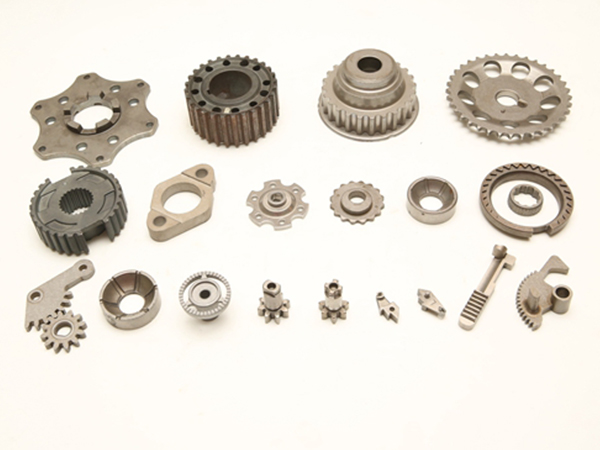
Aerospace and Defense In aerospace, weight reduction and reliability are paramount. Titanium and nickel-based superalloy components made through powder processing offer the strength-to-weight ratios needed for turbine blades, structural brackets, and landing gear parts. The controlled microstructure achieved through sintering also improves fatigue life — critical for parts under cyclic loading at high temperatures.
Electronics and Magnetics Soft magnetic composites (SMCs), ferrite cores, and electrical contacts are classic examples of sintered components used in electronics. Magnetic cores for inductors and transformers benefit from the ability to engineer precise magnetic permeability by adjusting powder composition and compaction density. This level of control is simply not possible through casting or machining.
Medical Devices Porous titanium and cobalt-chrome implants produced through powder processing allow bone tissue to grow into the implant surface — a property called osseointegration. Dental implants, orthopedic hip and knee components, and surgical instrument parts all benefit from the biocompatibility and geometric precision that this manufacturing route provides.
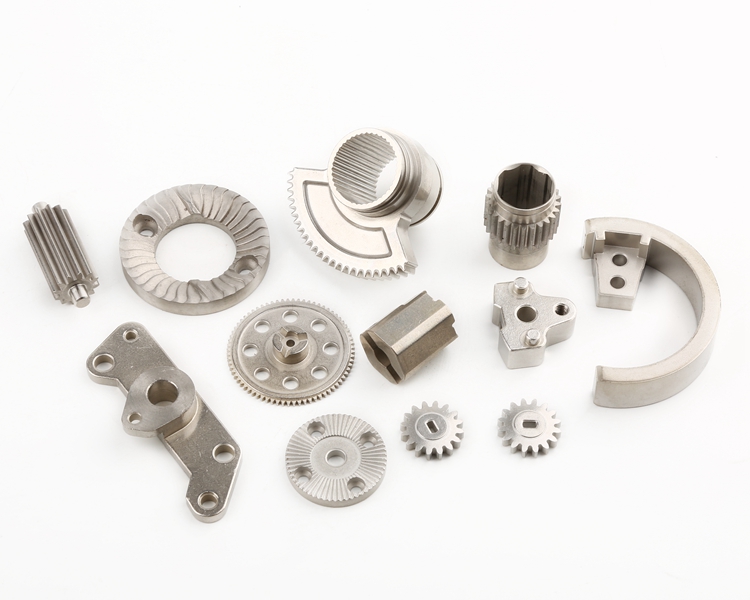
How to Source and Evaluate Reliable Suppliers
Finding a quality supplier is as important as specifying the right material. Here is what to look for.
Certifications and Quality Systems Always work with manufacturers that hold ISO 9001 certification as a minimum. For automotive parts, IATF 16949 certification is the industry standard. Medical component suppliers should comply with ISO 13485. These certifications confirm that a supplier’s quality management system is independently audited and consistently maintained.
Tooling and Prototyping Capability A capable supplier should offer in-house tooling design and prototyping. This shortens lead times, reduces communication errors, and allows for faster iteration during product development. Ask about tool steel grades used for dies, typical tool life expectations, and whether first-article inspection reports (FAIRs) are provided as standard.
Volume Flexibility and Lead Times Powder metallurgy products can be made in runs from a few hundred pieces to millions per year. Confirm that your supplier can scale with your production needs without sacrificing quality. Typical lead times for new tooling range from 4 to 10 weeks, while repeat orders on existing tooling can often be fulfilled in 2 to 4 weeks.
7 Reliable Tips for Finding the Best Powder Metallurgy Manufacturers
Frequently Asked Questions
Q1: How strong are powder metallurgy products compared to cast or machined parts?
Strength depends on the material grade and density achieved. At full density, sintered steel parts can match or exceed the tensile strength of cast equivalents. For example, high-density iron-copper-carbon alloys can achieve tensile strengths above 700 MPa. However, standard sintered parts at 85–90% density are slightly less strong than wrought equivalents, making material and density selection critical for load-bearing applications.
Q2: Are powder metallurgy products suitable for high-temperature applications?
Yes, especially when refractory metals or superalloys are used. Tungsten, molybdenum, and nickel-based alloys produced through powder processing maintain mechanical integrity at temperatures exceeding 1000°C. This makes them ideal for furnace components, rocket nozzles, and high-performance engine parts. Standard iron-based sintered parts, however, are generally limited to operating temperatures below 300°C without special alloying.
Q3: What is the minimum order quantity for custom sintered components?
Minimum order quantities vary widely by supplier and part complexity. For simple standard shapes, some suppliers accept orders of 500 to 1,000 pieces. Custom geometries with dedicated tooling typically require 5,000 to 10,000 pieces to justify the tooling investment. At nbtechmagnet.com, the team can advise on the most cost-effective production route for both small prototype runs and high-volume production of powder metallurgy products.
Conclusion
From automotive gears to medical implants, powder metallurgy products represent one of the most efficient and versatile manufacturing technologies available today. Their ability to combine complex geometry, tight tolerances, and material customization in a single step makes them indispensable across industries.
Understanding the key specifications — density, material grade, and dimensional tolerance — puts you in a strong position to source the right component for your application. Pairing that knowledge with a certified, experienced supplier ensures consistent quality at every production volume.
Whether you are an engineer designing a new component or a procurement professional comparing suppliers, the right partner makes all the difference. Visit nbtechmagnet.com to learn more and get expert guidance on your next project.