Introduction
Choosing the right powder metallurgy manufacturers can make or break your production quality. With so many suppliers on the market, knowing what to look for saves time, money, and frustration. This guide gives you everything you need to make a confident decision.
What Are Powder Metallurgy Manufacturers?
Powder metallurgy manufacturers are companies that produce metal components by compressing fine metal powders into a desired shape and then heating them in a sintering furnace to bond the particles together. This process — known as powder metallurgy or PM — creates precise, durable parts without the waste associated with traditional machining or casting.
These powder metallurgy manufacturers serve a wide range of industries, including automotive, electronics, household appliances, power tools, and medical equipment. The parts they produce include gears, bushings, bearings, cams, and structural components used in everyday products.
What sets powder metallurgy manufacturers apart from conventional metalworkers is their ability to produce high volumes of complex, near-net-shape parts with tight tolerances and consistent quality. Because the process is mold-based, each part that comes out of production is virtually identical to the last — a key advantage when you need thousands or millions of identical components.
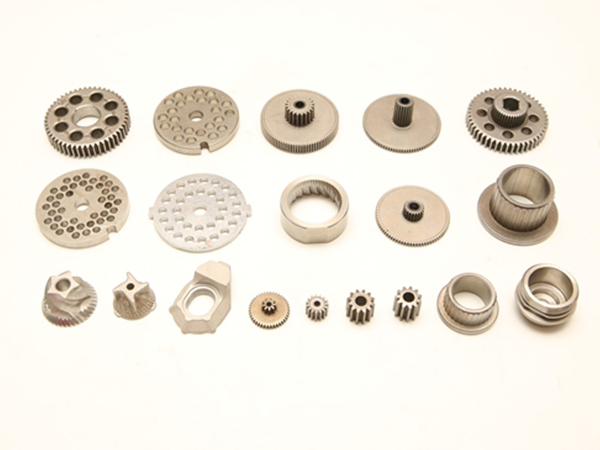
3 Key Specifications That Top Powder Metallurgy Manufacturers Meet
Before you contact any supplier, make sure you understand these three core specifications. They will shape every conversation you have with a potential partner.
1. Material Grade and Composition Metal powder composition directly affects the strength, hardness, and wear resistance of the finished part. Common base materials include iron, copper, steel, and stainless steel, often blended with small amounts of carbon, nickel, or molybdenum. Ask any manufacturer which material grades they stock and whether they can source custom blends to meet your performance requirements.
2. Dimensional Tolerance Powder metallurgy typically achieves tolerances of ±0.05mm to ±0.1mm without secondary machining. If your design requires tighter tolerances, confirm whether the supplier offers post-sintering machining, grinding, or sizing operations. Always supply a detailed drawing so the manufacturer can confirm what is and is not achievable directly from the press.
3. Production Capacity and Lead Time A supplier’s annual output and machine capacity determine whether they can handle your order volume on your schedule. Ask about pressing machine tonnage ranges, furnace capacity, and typical lead times for new tooling versus repeat orders. A reliable manufacturer should be transparent about both their capabilities and their current workload.
How to Choose the Right Manufacturer (Step by Step)
Follow these steps to evaluate and select the best partner for your project.
Step 1: Define Your Requirements Clearly Before reaching out to anyone, prepare a complete specification sheet. Include part geometry, material, required tolerances, surface finish, heat treatment needs, annual quantity, and target unit price. The clearer your brief, the more accurately suppliers can quote and the fewer surprises you will encounter later.
Step 2: Verify Certifications Look for ISO 9001 certification as a minimum standard for quality management. Reputable powder metallurgy manufacturers will hold this as a baseline. If you work in the automotive sector, IATF 16949 certification is essential. These certifications mean the manufacturer follows documented, audited quality processes — not just informal shop-floor practices.
Step 3: Assess Experience and Industry Focus The best powder metallurgy manufacturers will have 10 or more years of experience in your specific industry and will understand your application demands far better than a generalist. Ask for case studies or product samples relevant to your sector. Experience with similar parts reduces development time and minimizes the risk of costly design iterations.
Step 4: Request Samples and Conduct Testing Never commit to a volume order without first receiving and testing physical samples. Check dimensions, surface quality, hardness, and pull force or load performance depending on your application. This step is non-negotiable.
Step 5: Evaluate Communication and Support A good manufacturing partner responds quickly, provides detailed technical feedback, and proactively flags potential issues. Poor communication before the order is a reliable sign of poor support after it. Test responsiveness during the inquiry stage — it tells you a lot.
Step 6: Compare Total Cost, Not Just Unit Price Factor in tooling costs, minimum order quantities, shipping, lead times, and after-sales support when comparing quotes. A slightly higher unit price from a reliable, high-quality supplier is almost always a better investment than a lower price from one with inconsistent output.
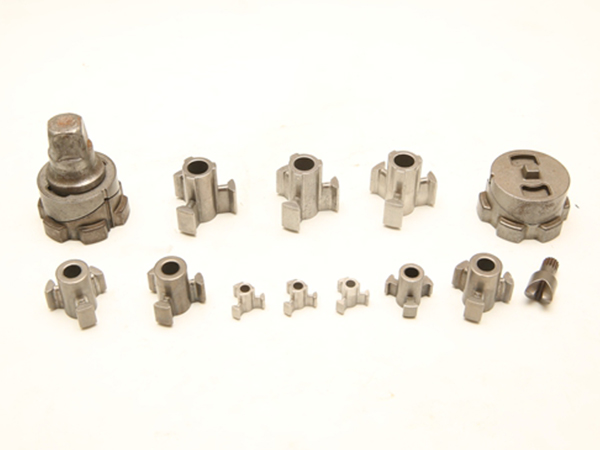
Why Choose sinteredmetals.com?
sinteredmetals.com is one of China’s established powder metallurgy manufacturers with over 20 years of experience in the field. Here is why buyers worldwide trust them:
20+ Years of Proven Expertise With more than two decades producing sintered metal components, the team brings deep process knowledge and a strong track record to every project. This experience means faster problem-solving and more reliable outcomes from day one.
Large-Scale, Modern Facility The production plant covers over 20,000 square meters and is equipped with pressing machines ranging from 15T to 600T. This capacity allows the company to handle both small custom runs and large-volume production orders with consistent quality.
ISO 9001 and IATF 16949 Certified Full quality management certification means every part goes through documented inspection at every stage — from raw powder incoming check to final shipment. Customers in demanding industries such as automotive and electronics rely on this rigorous process.
Global Reach Across 40+ Countries Products from sinteredmetals.com are used in Japan, India, Europe, the United States, and many other markets. This global customer base reflects consistent product quality and dependable service.
Broad Industry Coverage The company serves automotive, household appliances, compressors, power tools, garden tools, office equipment, food machinery, motors, electronics, and locks — making it a versatile partner regardless of your industry.
Responsive Customer Support From the first inquiry to after-sales follow-up, the team is committed to transparent pricing and smooth communication. You can reach them at sales@sinteredmetals.com or through the contact form at sinteredmetals.com/contact.
FAQ
Q1: What is the minimum order quantity for powder metallurgy parts?
Minimum order quantities vary by supplier and part complexity. Most powder metallurgy manufacturers accept orders starting at 500 to 1,000 pieces for standard components. For custom tooling projects, higher minimums are common to offset the initial mold investment. Always discuss MOQ upfront during the inquiry stage so there are no surprises when the quote arrives.
Q2: How long do powder metallurgy manufacturers take to deliver the first sample?
For a new part requiring custom tooling, expect a lead time of 3 to 6 weeks for the first sample, depending on part complexity and the supplier’s current workload. Once tooling is approved and production begins, repeat orders typically ship within 2 to 4 weeks. Always confirm lead times in writing before placing an order.
Q3: Can powder metallurgy manufacturers produce parts in stainless steel?
Yes. Most established manufacturers offer stainless steel grades such as 316L and 304L for applications requiring corrosion resistance. Stainless steel PM parts are widely used in food machinery, medical devices, and outdoor equipment. Note that stainless steel sintering requires more careful atmosphere control and slightly higher processing costs compared to standard iron-based materials.
Conclusion
Finding the right manufacturing partner starts with understanding your requirements and knowing what questions to ask. By verifying certifications, checking capacity, and testing samples before committing to volume, you dramatically reduce risk and improve outcomes. When evaluating powder metallurgy manufacturers, sinteredmetals.com stands out with two decades of experience, large-scale facilities, and global quality standards. Contact their team today to discuss your next project.
7 Powerful Reasons to Choose Sintered Metal Gears for Your Next Project