Corrosion-resistant components are critical for medical, marine, and food processing applications. Stainless steel powder metal suppliers provide precision parts that combine durability with manufacturing efficiency. This guide helps you find the right partner for your needs.
What is Stainless Steel Powder Metal
Stainless steel powder metal is a manufacturing technology that produces corrosion-resistant components by compacting stainless steel powder and sintering it in a controlled atmosphere furnace. The powder does not melt completely. Instead, the particles bond through atomic diffusion at temperatures just below the melting point. This creates solid, durable parts with excellent corrosion resistance and precise dimensions.
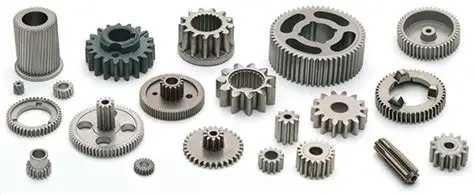
The process achieves near-net-shape production, meaning parts emerge from the die and furnace close to their final dimensions. Minimal secondary machining is required. Material utilization exceeds 95 percent. Stainless steel powder metal suppliers produce components ranging from tiny medical instruments to marine hardware and food processing equipment. The technology combines the corrosion resistance of stainless steel with the cost efficiency of powder metallurgy. Industries including healthcare, aerospace, automotive, and consumer products depend on these specialized manufacturers.
Related: Quality Standards and Certifications to Verify
When evaluating stainless steel powder metal suppliers, quality certifications provide essential evidence of their commitment to manufacturing excellence. Understanding these standards helps you select trustworthy partners.
ISO 9001 certification represents the minimum baseline for any professional supplier. This standard ensures the company operates a documented quality management system with continuous improvement processes. For medical applications, ISO 13485 certification demonstrates compliance with stringent medical device quality requirements. This certification indicates the stainless steel powder metal supplier follows validated processes suitable for surgical instruments and implantable components.
IATF 16949 certification applies to automotive supply chains. This standard adds defect prevention and process control requirements beyond ISO 9001. If your stainless steel components serve in vehicle sensor housings or exhaust system parts, this certification is essential. AS9100 certification covers aerospace applications where component failure could have catastrophic consequences. The most capable stainless steel powder metal suppliers maintain multiple certifications to serve diverse industries.
Material traceability documentation provides confidence in product integrity. Reputable suppliers maintain records tracing each powder lot from the mill through production. They provide certificates showing the actual chemical composition and mechanical properties of each batch. Full traceability is mandatory for medical and aerospace applications. When evaluating potential partners, request sample documentation to assess their record-keeping standards.
Related: Cost Factors and Pricing Considerations
Understanding what drives pricing helps you evaluate quotes from stainless steel powder metal suppliers effectively. Several factors beyond raw material costs influence the final price.
Tooling investment represents a significant upfront cost. Custom pressing dies for complex geometries require precision machining and skilled design. Tooling costs amortize over the production volume. Higher quantities reduce the per-piece tooling contribution dramatically. When comparing quotes, understand how each stainless steel powder metal supplier structures tooling charges. Some include tooling amortization in the piece price. Others charge separately for die fabrication and maintenance.
Secondary processing adds incremental cost. Passivation enhances corrosion resistance by removing free iron from the surface. Electropolishing improves surface finish for sanitary applications. Heat treatment modifies mechanical properties. CNC machining refines critical dimensions beyond as-sintered tolerances. Each additional operation increases the final price. Vertically integrated stainless steel powder metal suppliers who perform these services in-house often provide more competitive total pricing than those who outsource finishing work.
Density requirements affect processing cost. Standard single-press parts achieve moderate density at the most economical price. High-density processing above 92 percent requires double-press double-sinter operations or specialized sintering techniques. These additional steps increase cost. Only specify high density when your application genuinely requires maximum strength and corrosion resistance.
Order volume significantly impacts unit pricing. Prototype quantities carry the highest per-unit cost. Production quantities of thousands or millions reduce per-piece pricing substantially. Some stainless steel powder metal suppliers offer tiered pricing with automatic discounts at volume breakpoints. Discuss your annual volume forecast honestly to receive the most competitive pricing.
Related: Common Applications and Industry Requirements
Stainless steel powder metal suppliers serve diverse industries with specialized requirements. Understanding these applications helps you communicate your needs effectively and evaluate supplier expertise.
Medical and dental instruments represent a demanding application area. Surgical forceps, orthodontic brackets, and implantable device components require biocompatibility and corrosion resistance. These parts must withstand repeated sterilization cycles without degradation. Stainless steel powder metal suppliers serving medical markets understand cleanroom requirements and validation documentation. They provide full material traceability and comply with FDA or EU medical device regulations.
Marine hardware and coastal infrastructure present severe corrosion challenges. Boat fittings, dock hardware, and underwater equipment face constant saltwater exposure. Grade 316L stainless steel with its molybdenum content provides essential pitting resistance. Experienced stainless steel powder metal suppliers recommend appropriate alloys and processing parameters to maximize corrosion performance in chloride-rich environments.
Food processing equipment must withstand frequent washdowns with aggressive cleaning chemicals. Pump impellers, valve bodies, and mixer blades require smooth surfaces that resist bacterial harborage. The near-net-shape capability of powder metallurgy reduces the need for welds and crevices. Stainless steel powder metal suppliers serving food industry clients understand surface finish requirements and sanitary design principles.
Automotive sensor and exhaust components face heat, vibration, and corrosive gases. Oxygen sensor housings and exhaust gas recirculation valve parts demand both corrosion resistance and thermal stability. These applications often use ferritic stainless steel grades for their thermal expansion compatibility. Automotive-focused stainless steel powder metal suppliers maintain IATF 16949 certification and support production part approval processes.
Consumer products including watches, eyewear, and luxury accessories use sintered stainless steel for small, intricate components. The ability to achieve fine detail and smooth surfaces makes powder metallurgy attractive for cosmetic applications. Suppliers serving these markets understand aesthetic requirements alongside functional performance.
FAQ: Your Stainless Steel Powder Metal Suppliers Questions Answered
1. How do I verify the corrosion resistance of parts from stainless steel powder metal suppliers?
Request salt spray test results or potentiostatic corrosion data from the supplier. High-density processing and proper sintering atmosphere control are essential for corrosion resistance. Passivation after sintering removes surface iron and enhances the natural chromium oxide layer. Ask potential stainless steel powder metal suppliers about their passivation procedures and quality verification methods for corrosion performance.
2. What is the typical lead time from stainless steel powder metal suppliers?
Tooling design and fabrication requires six to ten weeks for the initial die set. Prototype samples add two to three weeks. After approval, production quantities ship within three to five weeks. Complex parts with secondary operations require additional time. Stainless steel parts often need extra sintering time due to the precise atmosphere control required. Discuss lead times early and include buffer in your project schedule.
3. Can stainless steel powder metal suppliers produce pressure-tight components?
Yes, but achieving pressure tightness requires careful process control. High-density processing above 92 percent closes most interconnected porosity. Resin impregnation seals any remaining leak paths for applications requiring zero permeability. Discuss your pressure requirements with stainless steel powder metal suppliers during the design phase. They can recommend the appropriate density level and any necessary sealing treatments.
Conclusion
Partnering with reliable stainless steel powder metal suppliers opens access to corrosion-resistant precision components manufactured efficiently. By understanding quality certifications, cost factors, and industry-specific requirements, you can evaluate potential partners effectively. Focus on suppliers with relevant experience in your application area. Verify their quality systems and documentation practices. The right stainless steel powder metal suppliers become valuable engineering partners, delivering components that perform reliably in demanding environments for years to come.
8 Strategies to Get the Best Price Powder Metal Suppliers Offer