Balancing cost against quality challenges every engineer sourcing precision components. The price powder metal suppliers quote depends on material, volume, geometry, and processing requirements. This guide helps you understand what drives costs and how to secure competitive pricing.
Related: Understanding What Drives Price Powder Metal Suppliers Quote
Several key factors influence the final price powder metal suppliers provide in their quotations. Understanding these cost drivers helps you make informed decisions.
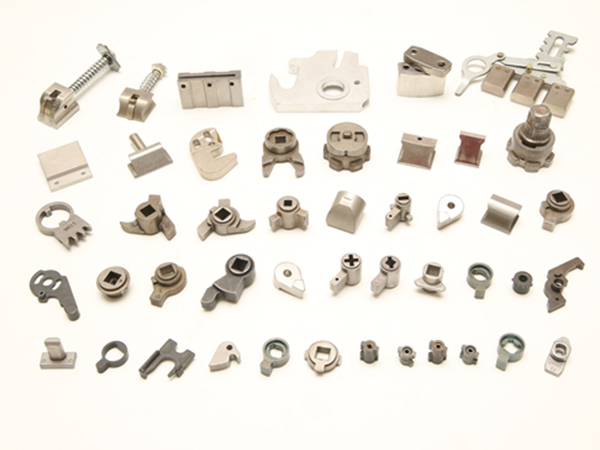
Raw material costs represent the largest component. Iron powder, copper, nickel, and other alloying elements fluctuate with global commodity markets. Stainless steel powders cost significantly more than iron-based materials. The material grade you select directly impacts the price powder metal suppliers can offer. Higher grades like nickel-steel alloys command premium pricing compared to basic iron-carbon compositions.
Tooling costs amortize over production volume. Custom pressing dies require significant upfront investment. Complex multi-level tooling costs more than simple single-level dies. When evaluating the price powder metal suppliers quote, understand how they calculate tooling amortization. Some suppliers include tooling in the piece price. Others charge separately for die fabrication. Spreading tooling costs over larger volumes dramatically reduces per-unit pricing.
Density requirements affect processing cost. Standard single-press parts achieve 80 to 90 percent density at the most economical price. High-density processing above 92 percent requires double-press double-sinter operations. This additional processing increases the price powder metal suppliers charge. Only specify high density when your application genuinely requires maximum strength.
Secondary operations add incremental cost. Heat treatment, steam treatment, oil impregnation, CNC machining, and plating each contribute to the final price. Vertically integrated powder metal suppliers who perform these operations in-house often provide more competitive total pricing. Every outsourced step adds logistics cost and supplier margin.
Tolerances directly impact manufacturing cost. As-sintered tolerances of plus or minus 0.05 millimeters cost the least. Tightening tolerances to plus or minus 0.01 millimeters requires sizing or machining, increasing the price powder metal suppliers charge. Specify tight tolerances only on functionally critical dimensions.
How to Get the Best Price Powder Metal Suppliers Can Offer
Securing competitive pricing requires strategic planning and clear communication. Follow these steps to optimize the price powder metal suppliers provide for your project.
Step 1: Define Your Requirements Completely
Document every specification before requesting quotes. Provide detailed dimensional drawings with tolerances. Specify the material grade, required density, and mechanical properties. Note your expected annual volume honestly. Complete documentation eliminates uncertainty that leads suppliers to add pricing buffer. When you communicate clearly, the price powder metal suppliers quote reflects actual requirements rather than worst-case assumptions.
Step 2: Request Quotes from Multiple Sources
Solicit quotations from at least three to five price powder metal suppliers. Include both domestic manufacturers and international options where applicable. Provide identical specifications to all bidders for fair comparison. Ask for line-item breakdowns showing material cost, tooling amortization, processing cost, and secondary operations. This transparency reveals where each supplier allocates cost.
Step 3: Verify Material Grade Authenticity
Some suppliers quote deceptively low prices by substituting lower-grade materials. An iron-carbon part quoted as nickel-steel costs far less to produce but fails prematurely. Request material certifications with every quotation. Confirm that the quoted material matches your specification. If one bid comes in significantly below others, suspect material substitution or process shortcuts.
Step 4: Optimize Your Design for Manufacturability
Consult suppliers during the design phase. Simple geometry changes can reduce the price powder metal suppliers need to charge. Eliminating unnecessary undercuts and cross-holes avoids secondary machining. Relaxing non-critical tolerances reduces processing steps. Uniform wall thickness improves compaction and reduces scrap. Design optimization often saves more money than aggressive negotiation.
Step 5: Leverage Volume Commitments
Share your realistic annual usage forecast. The price powder metal suppliers offer improves significantly with higher volumes. Negotiate tiered pricing that automatically adjusts as your volume grows. Consider blanket orders with scheduled releases to commit to volume while maintaining delivery flexibility. Suppliers price more competitively when they can plan efficient production runs.
Step 6: Consider Total Cost of Ownership
The lowest unit price does not always represent the best value. Factor in shipping costs for heavy powder metal components. Include inventory carrying costs. Evaluate supplier reliability and quality consistency. A slightly higher price powder metal suppliers charge may save money overall by preventing quality failures, late deliveries, and production interruptions.
Step 7: Build Long-Term Supplier Relationships
Long-term partnerships bring pricing benefits beyond individual transactions. Suppliers offer their best price to reliable repeat customers. They prioritize your orders during capacity constraints. They invest in understanding your applications and suggest cost-saving improvements. Relationship building pays dividends over years of collaboration.
Step 8: Time Your Orders Strategically
Raw material markets experience cyclical price movements. The price powder metal suppliers charge reflects current material costs. Ordering when commodity prices are lower reduces your cost. Building strategic inventory during favorable pricing periods protects against future increases. Discuss market conditions with your suppliers to identify advantageous timing.
Related: Comparing Price Powder Metal Suppliers Across Regions
Geographic location significantly influences manufacturing economics. Understanding regional differences helps you evaluate the price powder metal suppliers from different areas can offer.
Domestic suppliers often provide advantages that offset higher unit prices. Shorter shipping distances reduce freight costs and delivery times. Easier communication eliminates language barriers and time zone challenges. Face-to-face meetings facilitate design collaboration. When calculating total cost, domestic price powder metal suppliers may prove more economical despite higher quoted unit prices.
Asian manufacturers, particularly in China and India, often quote lower unit prices. Lower labor costs and economies of scale contribute to competitive pricing. However, international shipping adds significant cost for heavy powder metal parts. Import duties, customs brokerage, and longer lead times must factor into total cost calculations. Currency exchange rate fluctuations introduce additional uncertainty.
Eastern European suppliers occupy a middle position. Their price powder metal suppliers quote typically falls between Asian and domestic levels. They offer moderate shipping distances for European and some North American customers. Quality standards often align well with Western requirements. Technical communication can present challenges depending on the specific country.
Nearshoring to Mexico or Canada for North American buyers provides logistical advantages. Shorter supply chains reduce transit times and inventory requirements. Trade agreements may reduce or eliminate import duties. The price powder metal suppliers in these regions offer a balance of competitive labor costs and logistical convenience.
Related: Negotiation Tips When Discussing Price with Powder Metal Suppliers
Effective negotiation requires preparation and professionalism. These tips help you achieve favorable outcomes while maintaining productive supplier relationships.
Understand the supplier’s cost structure before negotiating. Raw material costs are largely non-negotiable as they reflect commodity markets. Processing costs offer more flexibility based on efficiency and volume. Tooling costs can be structured in various ways. Asking for cost breakdowns demonstrates sophistication and focuses negotiation on negotiable elements.
Offer something of value in exchange for price concessions. Longer payment terms, larger volumes, or consolidated orders provide supplier benefits. Multi-year agreements with scheduled releases give suppliers planning certainty. Early supplier involvement in design allows them to suggest cost-saving modifications.
Be realistic in your expectations. The price powder metal suppliers need to charge must cover their costs and provide reasonable margin. Aggressive negotiation that pushes pricing below sustainable levels leads to quality shortcuts, missed deliveries, or supplier failure. The goal is fair pricing that works for both parties over the long term.
FAQ: Your Price Powder Metal Suppliers Questions Answered
1. Why does the price powder metal suppliers quote vary so much between bidders?
Price variation stems from several factors. Material grade authenticity affects cost significantly. Manufacturing efficiency and automation level influence processing costs. Geographic location impacts labor and energy expenses. Quality control investment varies between suppliers. The lowest price powder metal suppliers quote may indicate corners cut somewhere in the process.
2. How can I reduce the price powder metal suppliers charge for my parts?
Optimize your design for manufacturability before quoting. Relax non-critical tolerances. Avoid undercuts and cross-holes that require secondary machining. Increase order quantities to amortize tooling costs. Bundle multiple parts with the same supplier. Request suggestions from suppliers about cost-saving design changes.
3. What is the typical minimum order quantity for competitive pricing?
Prototype quantities of 10 to 100 pieces carry the highest per-unit cost. Pricing becomes competitive at 1,000 pieces. Significant discounts appear at 10,000 pieces and above. Custom parts requiring new tooling need minimums of 5,000 to 10,000 pieces for economical pricing. Standard stock components offer competitive price powder metal suppliers pricing at lower quantities.
Conclusion
Understanding what drives the price powder metal suppliers charge empowers you to make smarter sourcing decisions. Material selection, tooling amortization, volume commitments, and design optimization all influence final costs. By defining requirements clearly, requesting multiple quotes, and considering total cost of ownership, you can secure competitive pricing without compromising quality. Long-term supplier relationships built on fair dealing and mutual benefit deliver ongoing value. Whether you need prototype quantities or high-volume production, the right approach to pricing ensures your powder metal components deliver performance and value.