Introduction
If your business depends on precision metal components, you need the right production partner. Powdered metal manufacturers turn fine metal powders into strong, accurate, and cost-effective parts. They serve industries from automotive to aerospace. This guide helps you understand who they are and how to choose the best one.
What Are Powdered Metal Manufacturers?
Powdered metal manufacturers are companies that use powder metallurgy (PM) processes to produce metal components. Instead of melting and pouring metal into molds, they compress fine metal powders into a desired shape and then heat — or sinter — the compacted part until the particles bond together.
This process gives these companies a significant advantage over traditional machining or casting. They can create complex near-net-shape parts with tight dimensional tolerances, controlled porosity, and consistent mechanical properties — all while generating very little material waste.
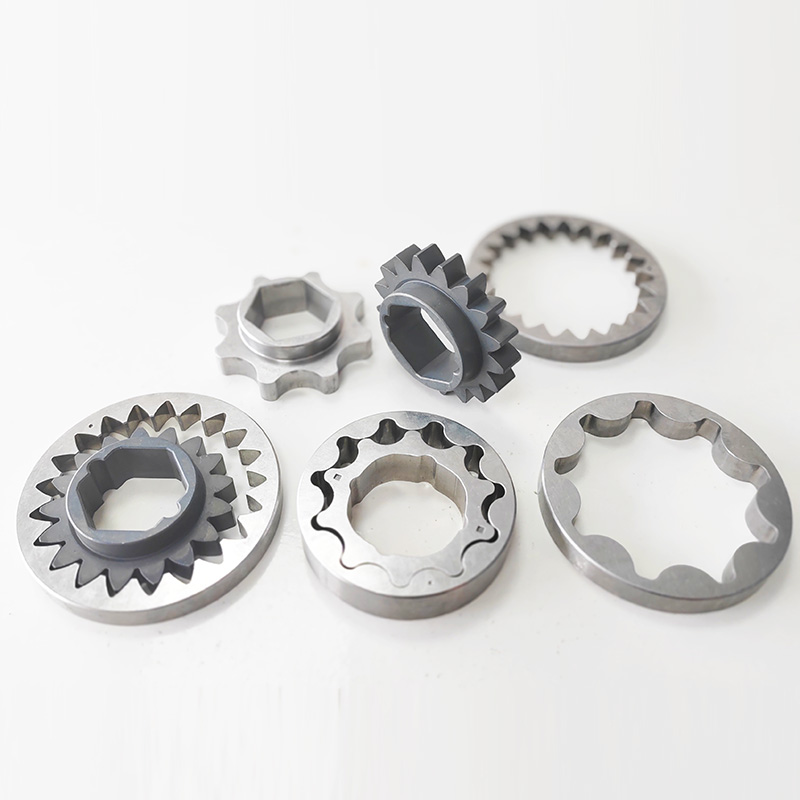
The raw materials used include iron, copper, stainless steel, nickel, bronze, titanium, and a wide range of custom alloys. The powders are typically made by atomization, electrolysis, or chemical reduction. Each material and production method produces a different powder morphology suited to a specific end application.
Powdered metal manufacturers operate at different scales. Some are large global corporations supplying millions of parts per year to the automotive industry. Others are smaller specialty shops producing low-volume, high-precision components for medical devices or aerospace systems. Understanding which type of manufacturer fits your needs is the first step in finding the right partner.
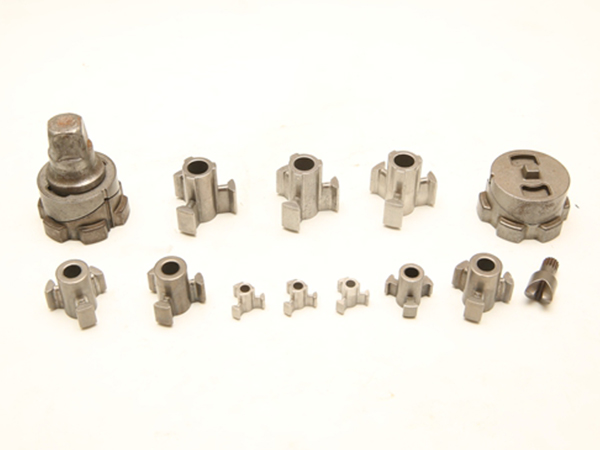
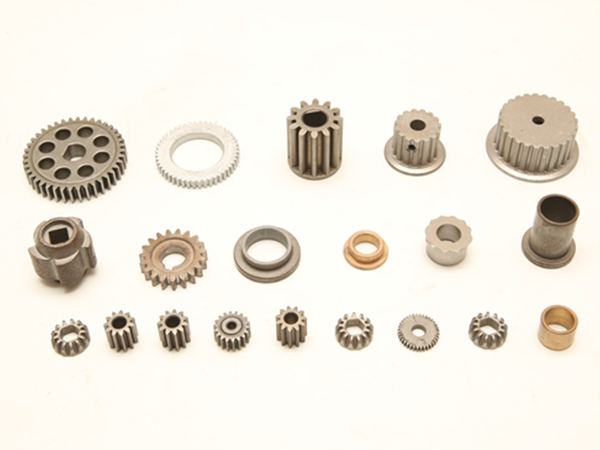
The finished products from these specialists range from simple bushings and bearings to complex structural gears, filters, and magnetic cores. The process is highly scalable, repeatable, and well-suited to both high-volume mass production and custom low-volume specialty work.
Applications of Powdered Metal Manufacturers
These companies serve a remarkable range of industries. Here is where their work makes the greatest impact:
Automotive Industry
The automotive sector accounts for the largest share of powder metallurgy output worldwide. Engine components such as connecting rods, valve seat inserts, camshaft sprockets, and transmission gears are routinely produced using PM processes. The ability to produce high volumes of dimensionally consistent parts at low per-unit cost makes it a natural fit for automotive OEMs and Tier 1 suppliers.
Aerospace and Defense
Weight is critical in aerospace. Powder metallurgy allows engineers to create lightweight structural components with excellent strength-to-weight ratios. Turbine discs, heat shields, and structural brackets made from nickel superalloys and titanium are produced by specialized PM shops who meet the strict certification requirements of this industry.
Medical Devices
Surgical instruments, orthopedic implants, dental prosthetics, and drug-delivery components rely on biocompatible metals processed through powder metallurgy. Titanium and cobalt-chrome PM parts offer the precise geometry, surface finish, and material purity that medical applications demand.
Industrial Machinery
Self-lubricating bronze bushings, wear-resistant cams, and precision gears are classic PM products used in pumps, compressors, and heavy machinery. The inherent porosity of sintered parts allows for oil impregnation, which provides continuous internal lubrication without external maintenance.
Electronics and Energy
Soft magnetic components, electrical contacts, and heat management parts used in transformers, sensors, and power electronics are increasingly sourced through PM processes. The ability to tailor magnetic permeability and electrical resistivity through precise alloy and density control makes this technology invaluable in this sector.
Additive Manufacturing (Metal 3D Printing)
The explosive growth of metal additive manufacturing has created entirely new demand for spherical, tightly distributed metal powders. Leading producers now offer atomized powders specifically optimized for selective laser melting (SLM), electron beam melting (EBM), and directed energy deposition (DED) processes.
How to Choose Powdered Metal Manufacturers
Selecting the right partner is one of the most important decisions in your supply chain. Use this framework to evaluate your options:
Confirm Their Process Capabilities Not every manufacturer handles the same materials or production methods. Confirm they have experience with your specific metal — whether that is stainless steel, titanium, copper-based alloys, or something more exotic. Ask about compaction press tonnage, furnace atmosphere control, and secondary operations such as sizing, heat treatment, and surface finishing.
Check Industry Certifications Reputable powdered metal manufacturers hold ISO 9001 certification as a minimum standard. For automotive customers, IATF 16949 is expected. For aerospace, AS9100 applies. For medical devices, ISO 13485 is required. These certifications confirm that documented quality management systems are in place and regularly audited. Never skip this step.
Review Their Design and Engineering Support The best powdered metal manufacturers don’t just press and sinter what you send them — they actively help you design parts for manufacturability. Design for powder metallurgy (DfPM) guidance early in a project can reduce tooling cost, shorten development time, and improve part performance significantly.
Evaluate Quality Control Processes Ask about incoming powder inspection, in-process dimensional checks, density measurement, hardness testing, and final inspection procedures. A manufacturer with robust quality control will provide full traceability and documentation — including material certificates, inspection reports, and process records — for every production batch.
Assess Capacity, Lead Times, and Scalability Consider your current volume needs and your future growth trajectory. Some powdered metal manufacturers specialize in high-volume commodity production. Others excel in low-volume specialty work. Find one whose capacity, lead times, and minimum order quantities align with both your current and future requirements.
Request References and Samples Ask for references from customers in your industry. Request prototype or sample parts before committing to full production tooling. A reputable manufacturer will welcome this process — it builds confidence on both sides and ensures your design is achievable before significant investment is made.
Important Notices When Working With Powdered Metal Manufacturers
Before you place your first order, there are critical points every buyer should understand:
Tooling Costs Are a Significant Upfront Investment
Powder metallurgy tooling — the die set used to compact powder into shape — is custom-made for each part geometry. Tooling costs typically range from a few thousand to tens of thousands of dollars depending on part complexity. This investment is offset by low per-part cost at volume, but it makes PM better suited to medium and high production runs than true one-off prototypes.
Part Geometry Has Design Constraints
Not every shape is producible by powder metallurgy. Undercuts, re-entrant features, and extreme aspect ratios can be difficult or impossible to achieve in a single pressing operation. Work closely with your manufacturer’s engineering team from the earliest design stage to avoid costly redesigns later.
Powder Handling and Safety
If your supply chain involves handling metal powders directly, be aware that many fine metal powders are classified as combustible dusts. Proper ventilation, grounding, and fire suppression measures are mandatory. Always request a Safety Data Sheet (SDS) from your supplier before receiving or handling any metal powder material.
Batch Consistency Requires Active Management
Even from a certified source, sintered part properties can vary between production lots due to powder variation, furnace atmosphere drift, or tooling wear. Establish clear incoming inspection protocols and define acceptable tolerances in your purchase agreements to protect your production quality.
Intellectual Property Protection
If you are developing a proprietary alloy, unique component design, or novel PM process, discuss non-disclosure agreements and intellectual property ownership before sharing technical details with any manufacturer. This is especially important when working with overseas powdered metal manufacturers where legal frameworks may differ.
Related Products and Services From Powdered Metal Manufacturers
Beyond standard sintered components, many of these companies offer a broader range of capabilities that can simplify your supply chain:
Metal Injection Molding (MIM)
MIM combines the material flexibility of powder metallurgy with the geometric freedom of injection molding. It is used to produce very small, complex parts in high volumes — think watch components, orthodontic brackets, and micro-hydraulic fittings. Many PM manufacturers offer MIM as a complementary process.
Hot Isostatic Pressing (HIP)
HIP uses simultaneous high temperature and high pressure to fully densify sintered or cast parts. The result is a near-zero-porosity component with mechanical properties comparable to wrought metal. Aerospace and medical manufacturers routinely specify HIP for critical components.
Secondary Operations and Finishing
Most PM facilities offer in-house secondary operations including steam treatment, oil impregnation, electroplating, heat treatment, and precision machining. Consolidating these steps under one roof reduces lead time, simplifies logistics, and improves dimensional traceability across the full manufacturing chain.
Frequently Asked Questions (FAQ)
Q1: How is powder metallurgy different from traditional metal casting?
In traditional casting, metal is melted and poured into a mold. In powder metallurgy, fine metal powders are compacted under high pressure and then sintered below the melting point. This means powdered metal manufacturers can achieve tighter tolerances, controlled porosity, and less material waste than casting — without ever fully melting the metal. PM is also better suited to producing complex alloys that are difficult to cast conventionally.
Q2: What industries rely on powdered metal manufacturers most often?
Automotive manufacturing accounts for the largest share — roughly 70% of global PM output goes to the auto industry. After that, the most active sectors include aerospace and defense, medical devices, industrial machinery, electronics, and increasingly, metal additive manufacturing. Nearly any industry that requires precision metal components in moderate to high volumes can benefit from partnering with powdered metal manufacturers.
Q3: Can powdered metal manufacturers work with custom alloys?
Yes. Many established powdered metal manufacturers either blend custom alloy powders in-house or work directly with powder atomizers to source custom compositions. If your application requires a specific ratio of elements for hardness, corrosion resistance, magnetic properties, or thermal performance, a capable manufacturer can develop and qualify a custom alloy powder tailored to your exact requirements. Lead times for custom alloy development typically range from 6 to 16 weeks.
Conclusion
Whether you are sourcing automotive gears, aerospace structural parts, or medical implants, finding the right production partner is essential. Powdered metal manufacturers offer a unique combination of design precision, material versatility, and production efficiency that few other manufacturing methods can match. By understanding their capabilities, verifying their certifications, and building a relationship based on transparency and engineering collaboration, you can unlock the full potential of powder metallurgy for your products. Start your search carefully, ask the right questions, and choose a manufacturer who is invested in your long-term success.
7 Benefits of Sintered Metal Products for Efficient Manufacturing