Building durable machinery requires components that combine strength with cost efficiency. A sintered iron structural parts company delivers exactly that through advanced powder metallurgy techniques. For expert guidance and quality products, we recommend visiting sinteredmetals.com. This guide will help you understand the technology and find the perfect manufacturing partner.
What is Sintered Iron Structural Parts
Sintered iron structural parts are load-bearing metal components manufactured by compacting fine iron powder under extreme pressure and then heating it in a controlled atmosphere furnace. The powder does not melt completely. Instead, the particles bond together at temperatures just below the melting point through atomic diffusion. This creates a solid, durable component with precise dimensions and excellent mechanical properties.
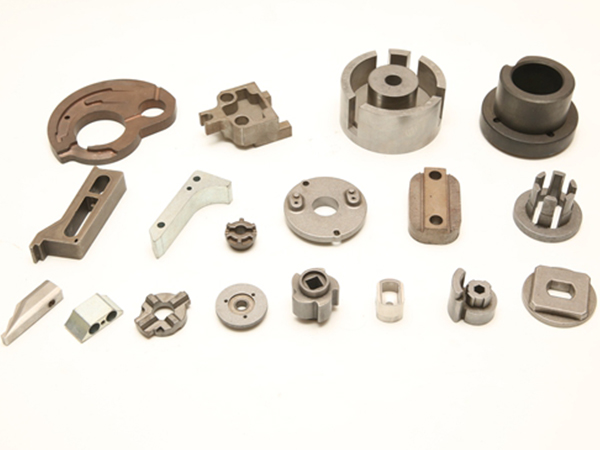
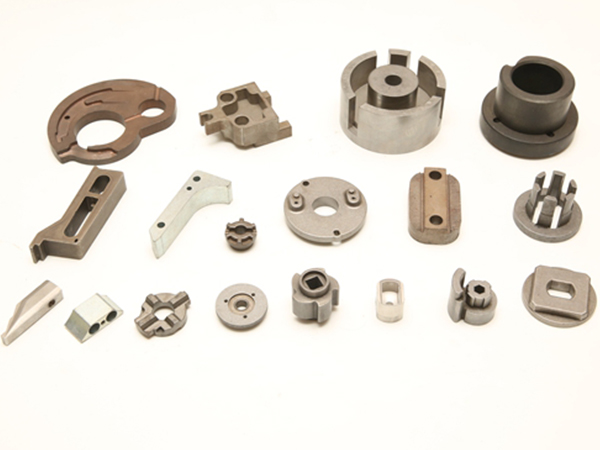
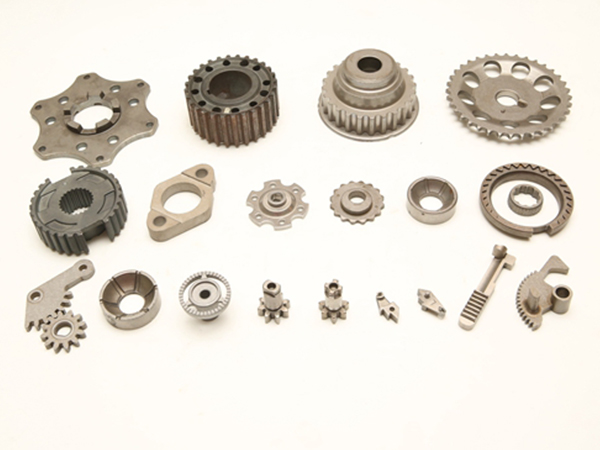
These parts form the backbone of countless machines and devices. They include gears, brackets, bearing caps, housings, sprockets, and structural connectors. The process achieves near-net-shape production, meaning the part emerges from the die and furnace very close to its final dimensions. Minimal secondary machining is required. A sintered iron structural parts company uses this technology to produce complex geometries with integrated features that would be costly or impossible to machine conventionally.
How to Find a Sintered Iron Structural Parts Company
Selecting the right manufacturing partner requires systematic evaluation. Follow these steps to identify a sintered iron structural parts company that delivers consistent quality and reliable service.
Step 1: Define Your Part Requirements Completely
Document every specification before contacting suppliers. Provide detailed dimensional drawings with tolerances. Specify the material grade, required density, and mechanical properties. Note the expected annual volume and desired lead times. Include any secondary operations such as heat treatment, machining, or surface finishing. Complete documentation enables accurate quoting and demonstrates your professionalism as a buyer.
Step 2: Verify Press and Furnace Capabilities
Ask about the press tonnage range and type. Hydraulic presses with multiple independent platens handle complex multi-level parts. Mechanical presses excel at high-speed production of simpler geometries. The press capacity determines the maximum part size and achievable density. Inquire about sintering furnace technology. Continuous mesh-belt furnaces suit high volumes. Vacuum furnaces provide superior atmosphere control for specialty alloys. A capable sintered iron structural parts company maintains equipment matched to your part requirements.
Step 3: Evaluate Tooling Design Expertise
Tooling quality directly determines part quality. Ask whether the supplier designs and builds tooling in-house. In-house toolmaking enables faster development and responsive troubleshooting. The tooling must compensate precisely for sintering shrinkage while achieving required dimensional tolerances. Review their experience with tooling similar to your part geometry. A skilled sintered iron structural parts company solves tooling challenges before production begins.
Step 4: Assess Material and Alloy Options
Confirm the supplier processes the materials your part requires. Standard iron-carbon and iron-copper-carbon alloys suit general structural applications. Nickel-steel grades provide superior toughness and fatigue resistance. Some applications benefit from copper infiltration for enhanced strength. A versatile sintered iron structural parts company offers multiple material families and can recommend the best alloy for your specific conditions.
Step 5: Review Quality Systems and Inspections
Verify relevant certifications. ISO 9001 is the minimum baseline. IATF 16949 certification demonstrates automotive-grade quality management. Inspect their metrology equipment including coordinate measuring machines and optical comparators. Request a sample First Article Inspection Report. The documentation quality reflects the commitment to precision at that sintered iron structural parts company.
Step 6: Evaluate Secondary Processing Capabilities
Sintered parts often need finishing operations. Ask which services the supplier handles in-house. Heat treatment hardens surfaces for wear resistance. Steam treatment seals pores and prevents corrosion. Oil impregnation provides self-lubrication. CNC machining refines critical features. A vertically integrated sintered iron structural parts company provides single-source accountability and shorter overall lead times.
Step 7: Request Prototype Samples and Test
Order prototype parts before committing to production tooling. Test dimensional accuracy and mechanical properties in your actual assembly. Run durability tests if the application demands it. Prototype testing reveals issues that drawings and specifications miss. A confident sintered iron structural parts company welcomes prototype orders and supports your validation process.
Step 8: Check References and Long-Term Reliability
Request references from clients with similar requirements. Contact those references and ask about quality consistency, on-time delivery, and problem resolution. Review case studies demonstrating success with similar components. A sintered iron structural parts company with long-standing customer relationships demonstrates reliability and industry expertise.
Notices When Working with a Sintered Iron Structural Parts Company
Important design and process considerations apply when using powder metallurgy components. Keep these notices in mind throughout your project.
Design for Manufacturability
Powder metallurgy requires parts that can be ejected from a rigid die. Undercuts and cross-holes perpendicular to the pressing direction cannot be formed and require secondary machining. Maintain uniform wall thickness for consistent density. Avoid extremely thin sections that may not fill properly with powder. Include adequate draft angles for clean ejection. A knowledgeable sintered iron structural parts company provides design feedback early to prevent costly tooling modifications later.
Understand Density and Strength Relationships
Density directly determines mechanical properties. Standard single-press parts achieve 80 to 90 percent of theoretical density. Higher density means greater tensile strength, fatigue resistance, and ductility. For maximum strength, double-press double-sinter processes push density above 92 percent. Discuss your strength requirements with the sintered iron structural parts company so they can specify the appropriate processing route.
Account for Sintering Shrinkage
Parts shrink during sintering as the powder particles fuse together. This shrinkage typically ranges from 0.5 to 2 percent depending on material and density. The tooling must be designed slightly oversized to compensate. Confirm whether quoted dimensions are final part dimensions or green compact dimensions. A professional sintered iron structural parts company accounts for shrinkage in their tooling design automatically.
Specify Coating and Plating Requirements Early
If your part requires plating or coating, inform the supplier before tooling design. Electroplated coatings adhere best to high-density surfaces with minimal interconnected porosity. The sintered iron structural parts company may need to adjust compaction parameters or recommend resin impregnation to seal surface pores before plating. Late-stage plating requirements cause adhesion failures and production delays.
Consider Edge and Corner Geometry
Pressed and sintered parts naturally have slightly rounded edges due to powder flow behavior during die filling. Sharp external corners are difficult to achieve consistently. If your design requires crisp edges for functional reasons, specify this explicitly. The sintered iron structural parts company can adjust tooling clearances and powder lubricant content to improve edge definition within process limitations.
Related: The Powder Metallurgy Manufacturing Process
Understanding how sintered iron parts are made helps you design components that take full advantage of the technology.
The process begins with powder blending. Base iron powder mixes with alloying elements like copper, nickel, and graphite. A solid lubricant such as zinc stearate coats the particles. This lubricant reduces friction during compaction and helps the powder flow uniformly into the die cavity. Uniform powder distribution ensures consistent density throughout the part.
Compaction transforms loose powder into a green compact. The powder fills a precision die cavity shaped like the finished part. Upper and lower punches apply pressure ranging from 400 to 800 megapascals. The powder particles deform and mechanically interlock. Complex parts with multiple levels require sophisticated tooling with independently controlled punches. The green compact has enough strength for handling but remains fragile.
Sintering creates permanent metallurgical bonds. Green compacts travel through a controlled atmosphere furnace with distinct temperature zones. The first zone removes the pressing lubricant at moderate temperatures. The high-heat zone reaches 1100 to 1150 degrees Celsius. Atomic diffusion welds the particles together. Copper additions melt and flow through the iron skeleton, strengthening the structure. Precise atmosphere control prevents oxidation and maintains the specified carbon content.
Sizing achieves final dimensional accuracy. The sintered part is repressed in a precision die. This step corrects thermal distortion and burnishes surfaces to improve finish. For bearing applications, controlled porosity absorbs lubricating oil during vacuum impregnation. A quality sintered iron structural parts company considers sizing an essential step for achieving tight tolerances.
FAQ: Your Sintered Iron Structural Parts Company Questions Answered
1. How do sintered iron parts compare in strength to cast or machined components?
Modern high-density sintered parts with density above 92 percent can match the tensile and fatigue strength of cast iron and approach machined steel properties. Surface densification techniques close pores on critical surfaces, achieving contact fatigue resistance comparable to wrought materials. The isotropic grain structure provides uniform properties in all directions. A reputable sintered iron structural parts company provides mechanical test data for your specific material and density combination.
2. What is the typical lead time for custom sintered iron structural parts?
Tooling design and fabrication requires six to ten weeks for the initial die set. Prototype sample production adds two to three weeks. After prototype approval, production quantities ship within three to five weeks. Complex multi-level parts with secondary operations require additional time. Discuss lead times early with your sintered iron structural parts company and build buffer into your project schedule.
3. Can sintered iron parts be welded to other steel components?
Welding sintered parts requires careful preparation. Internal porosity can release trapped gases during welding, causing porosity in the weld bead. High-density processing above 93 percent minimizes this issue. Alternatively, the weld zone can be infiltrated with copper to seal pores before welding. Discuss your welding requirements with the sintered iron structural parts company during the design phase so they can recommend appropriate density levels and any pre-weld treatments.
Conclusion
Partnering with a qualified sintered iron structural parts company opens the door to efficient, cost-effective manufacturing of precision structural components. By understanding the technology and following a structured supplier selection process, you can find a partner who delivers consistent quality and acts as a true engineering collaborator. Pay attention to design guidelines, density requirements, and secondary processing needs to ensure manufacturing success. Whether you need automotive brackets, industrial gears, or machinery housings, the right sintered iron structural parts company provides reliable components that perform for years.
8 Advantages of MIM Metal for Precision Component Manufacturing