Introduction
Sintered gears are a smart choice for many modern machines because they can be made in large volumes, shaped accurately, and finished with less extra work. This article explains what they are, how they are made, and how they compare with machined gears in simple terms.
What is sintered gears
Sintered gears are metal gears made by powder metallurgy. The process usually starts with mixing metal powders, pressing them into a gear shape, and then heating the compacted part so the particles bond together. This method is often used for spur, helical, and bevel gears.
A key advantage is that the part can be made close to its final shape, so it may need little or no finishing afterward. That makes sintered gears useful when manufacturers want good repeatability, efficient production, and lower waste.
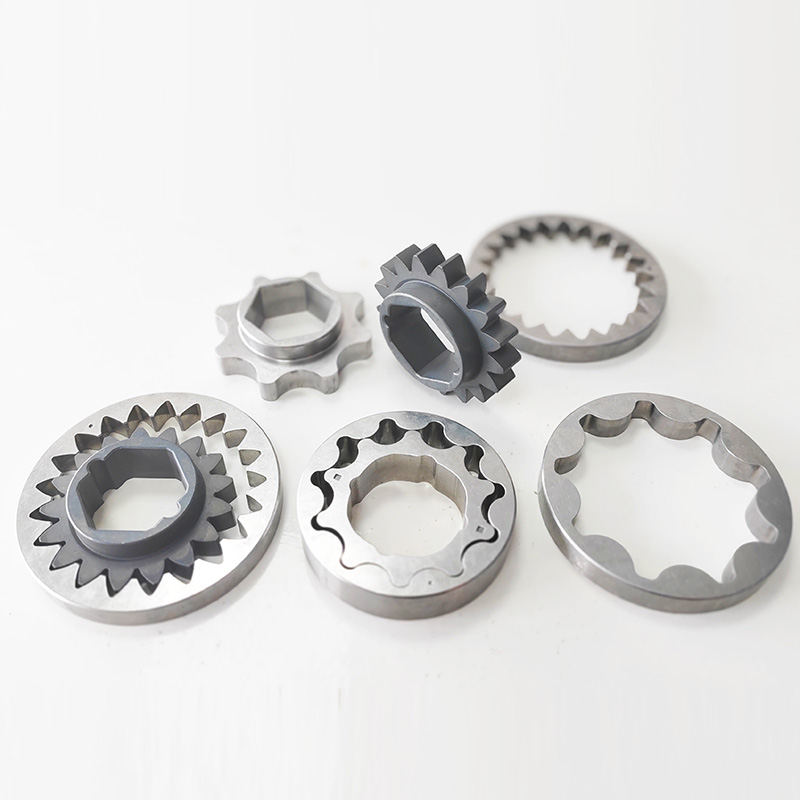
3 Specifications
Here are three important specifications to understand before choosing gears:
- Material type. Common materials include carbon steel, alloy steel, and stainless steel, depending on the strength and corrosion needs of the application.
- Shape accuracy. These parts can be produced to near-net shape, which means the gear comes out very close to the final size and may need only light finishing.
- Density and porosity. Because the process uses pressed powder, the finished gear can contain small pores, which may affect load capacity in demanding uses.
These points matter because they help determine whether gears are the right fit for a project. For light to medium-duty applications, they are often a practical option.
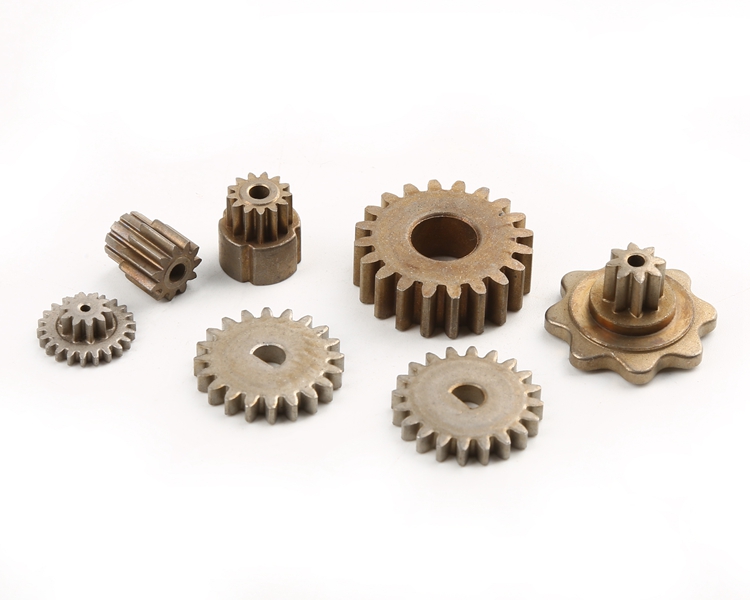
How to produce it (step by step)
Making sintered gears usually follows a clear sequence:
- Mix the powders. Metal powders are blended carefully so the material is consistent.
- Compact the powder. The mixture is pressed into a gear-shaped tool under high pressure.
- Sinter the part. The compacted shape is heated in a controlled atmosphere so the particles fuse together.
- Add secondary work if needed. Some gears may be machined, heat treated, or otherwise refined to improve accuracy or strength.
This process is efficient because the gear is formed very close to its final design. In many cases, that means less cutting, less material waste, and faster production for gears.
7 Great Stages of the Powder Metallurgy Process Every Engineer Should Know
sintered gears vs machined gears
Sintered gears and machined gears both have a place, but they are made differently. Sintered parts are formed from metal powder and then heated, while machined gears start from solid metal and are cut down to shape.
| Factor | sintered gears | machined gears |
|---|---|---|
| Production method | Powder is pressed and sintered. | Solid metal is cut into shape. |
| Waste level | Usually lower because the part is near-net shape. | Usually higher because material is removed during cutting. |
| Cost at scale | Often cost-effective for large runs. | Can be more expensive, especially for high volumes. |
| Strength profile | Good for many uses, but porosity can limit heavy-duty performance. | Often preferred when high strength and precision are critical. |
| Finishing needs | May need little or no extra machining. | Usually requires more machining and finishing. |
In simple terms, sintered gears are a strong choice for efficient mass production, while machined gears are often better when the application demands maximum precision or toughness. The best option depends on the load, budget, and performance target.
Material and size of sintered gears
Sintered gears are made from powdered metals, so the choice of material has a big impact on strength, wear resistance, and cost. Common materials include iron, steel, stainless steel, and metal alloys with added elements such as nickel, molybdenum, or copper. Iron-based materials are often used for general-purpose gears because they are affordable and easy to produce. Steel-based versions are preferred when higher strength and better durability are needed. Stainless steel may be chosen for parts exposed to moisture or corrosion. In some cases, small amounts of alloying elements are added to improve hardness, toughness, or machinability after sintering.
The size of sintered gears can vary widely, from very small precision gears used in electronics to larger gears used in home appliances and light machinery. Small gears are especially suitable for powder metallurgy because the process can create detailed shapes with good repeatability. For larger gears, designers must pay close attention to density, tooth accuracy, and shrinkage during sintering. The final dimensions are influenced by the pressing tool, the powder mix, and the heat treatment process. Because sintered parts are made close to their final shape, they often need little finishing, but tight tolerances may still require secondary machining.
Material and size are closely connected. A small gear may use a low-cost iron alloy if the load is light, while a larger or more heavily loaded gear may need a stronger steel alloy and more careful processing. In general, sintered gears work best when the material is matched to the expected stress, speed, and operating environment. Choosing the right combination helps improve service life while keeping production efficient and cost-effective.
FAQ
1. Are sintered gears strong enough?
Yes, sintered gears can be strong enough for many applications, especially when the design is matched to the load. However, porosity can limit performance in very heavy-duty or high-stress situations.
2. Do sintered gears need machining?
Not always. One major advantage of sintered gears is that they are often made close to final shape, so they may need little or no machining after sintering.
3. What types of gears can be made this way?
Common types include spur, helical, and bevel gears. That makes sintered gears flexible for many mechanical systems.
4. Are sintered gears cheaper than machined gears?
Yes, they are often cheaper in large production runs because they use less material and need less cutting. This makes them a cost-friendly choice for many standard applications.
5. What industries use sintered gears?
They are used in automotive parts, home appliances, power tools, office equipment, and small machines. They are popular in industries that need many identical gears at a reasonable cost.
6. Can sintered gears be heat treated?
Yes, they can be heat treated to improve hardness and wear resistance. This helps them perform better in applications where the gears face repeated friction or load.
Conclusion
sintered gears offer a practical mix of efficiency, design flexibility, and good repeatability. They are especially useful when manufacturers need reliable parts in large numbers without too much extra finishing. For beginners, they are easiest to think of as gears made from powder, pressed into shape, and hardened by heat.
8 Remarkable Benefits of Sintered Metal Parts You Should Know