Introduction
Finding reliable custom powder metal suppliers can make or break your production quality. Whether you are manufacturing automotive parts, industrial components, or precision hardware, the right supplier ensures consistent performance, tight tolerances, and on-time delivery. This guide walks you through everything you need to know.
What Are Custom Powder Metal Suppliers?
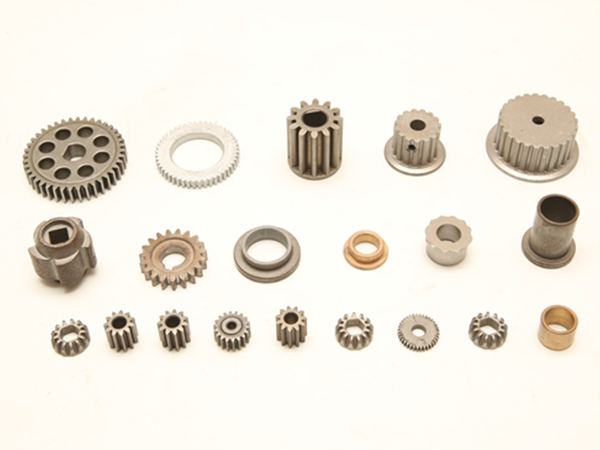
Custom powder metal suppliers are manufacturers that produce metal components using powder metallurgy — a process where fine metal powders are pressed into a shaped mold and then heated (sintered) in a furnace to bond the particles into a solid, strong part.
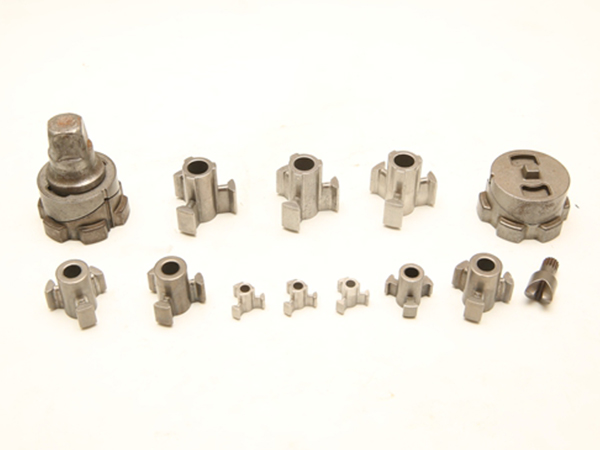
Unlike traditional machining, which cuts away material from a solid block, powder metallurgy builds parts from the ground up. This means less waste, lower cost per part, and the ability to create complex shapes that would be difficult or expensive to machine.
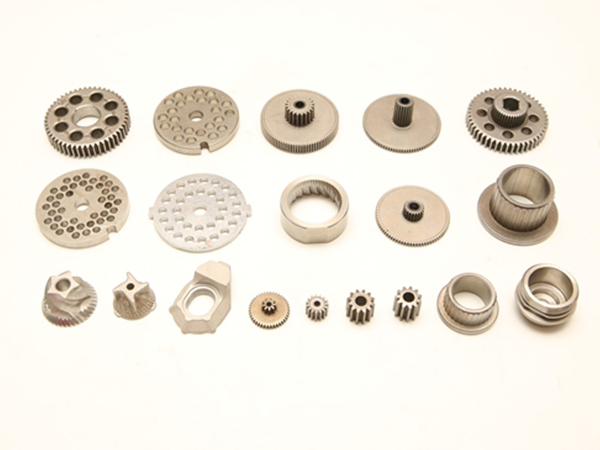
Custom powder metal suppliers go one step further — they work with your specific design, material requirements, and tolerances. They can produce parts in high volumes with repeatable accuracy, making them essential partners for industries such as automotive, aerospace, medical devices, consumer electronics, and industrial machinery.
At sinteredmetals.com, we specialize in producing sintered metal components tailored to your exact specifications. From prototype to full production run, our team handles the entire process under one roof.
https://sinteredmetals.com/contact/
3 Key Specifications to Understand
Before you place an order, it helps to understand the three most important technical specifications in powder metallurgy.
1. Material Density
Density is one of the most critical specifications in sintered parts. It is expressed as a percentage of the theoretical full density of the metal. Higher density means greater strength, hardness, and wear resistance. Standard sintered parts typically reach 85–92% density, while high-performance parts can exceed 95% through additional processing such as re-pressing or infiltration. Always confirm the required density with your supplier before production begins.
2. Dimensional Tolerances
Powder metal parts can achieve tight tolerances — typically ±0.05 mm to ±0.1 mm in the pressing direction, and even tighter with secondary sizing operations. Understanding which dimensions are critical to your assembly allows your supplier to focus quality control on the right features. Ask for a tolerance capability chart from your supplier to confirm they can meet your drawing requirements.
3. Material Grades and Alloy Composition
Common powder metal materials include iron, steel (Fe-Cu, Fe-Ni, Fe-Mo), stainless steel, brass, and bronze. Each alloy offers a different balance of strength, corrosion resistance, and machinability. For example, Fe-Cu alloys are widely used in automotive bushings, while stainless steel grades suit medical or food-contact applications. Confirming the right alloy early in the design phase prevents costly changes later.
How to Choose Custom Powder Metal Suppliers: Step by Step
Selecting the right partner is a process. Follow these steps to make a confident decision.
Step 1: Define Your Requirements
Start by documenting your part’s material, dimensions, tolerances, surface finish, and annual volume. The more specific your requirements, the easier it is to compare suppliers accurately. Include your quality standards (ISO, ASTM, MPIF) and any industry certifications needed.
Step 2: Verify Manufacturing Capabilities
Not all custom powder metal suppliers have the same press tonnage, furnace capacity, or secondary processing options. Confirm that the supplier can handle your part size, complexity, and required density. Ask about their tooling design process and whether they manufacture tooling in-house or outsource it.
Step 3: Review Quality Certifications
Look for suppliers certified to ISO 9001:2015 or IATF 16949 (for automotive). These certifications mean the supplier follows documented quality management systems, which reduces the risk of defects reaching your production line. Request sample inspection reports or capability studies (Cpk data) for similar parts.
Step 4: Request a Sample or Prototype
Before committing to full production, request a prototype or first-article inspection (FAI). This lets you confirm fit, form, and function before tooling costs are finalized. Reputable custom powder metal suppliers will offer this as a standard step in the onboarding process.
Step 5: Evaluate Lead Times and Communication
Ask about standard lead times for tooling, samples, and production runs. Good suppliers are transparent about their schedules and proactive with updates. A supplier who communicates clearly from the start is far less likely to cause delays later in your supply chain.
Important Notices When Working with Powder Metal Suppliers
Keep these points in mind to avoid common problems when working with custom powder metal suppliers.
Design for Manufacturability: Powder metal parts have specific design rules. Avoid sharp internal corners, thin walls under 1.5 mm, and undercuts that cannot be formed in a single pressing direction. Share your CAD file early so your supplier can flag issues before tooling is made.
Surface Finish Expectations: As-sintered surfaces have a slightly porous texture. If your application requires a smooth or sealed surface, ask about secondary operations such as sizing, impregnation with oil or resin, plating, or machining.
Minimum Order Quantities: Tooling for powder metal parts requires an upfront investment. Most suppliers set a minimum order quantity (MOQ) to recover tooling costs over time. Discuss this clearly so both sides have realistic expectations.
Material Substitutions: If your specified alloy is unavailable, a supplier may suggest a substitute. Always request a material data sheet and confirm the substitute meets your performance requirements before approving any change.
FAQ
Q1: What industries use custom powder metal suppliers most often?
Automotive is the largest user, accounting for over 70% of powder metal part production globally. Other major industries include appliances, power tools, industrial machinery, medical devices, and consumer electronics. Almost any application requiring a high-volume, precision metal part can benefit from working with custom powder metal suppliers.
Q2: How long does tooling take before production can begin?
Tooling typically takes 4 to 8 weeks depending on part complexity. Once tooling is approved and first-article samples pass inspection, production lead times are usually 2 to 4 weeks for standard runs. At sinteredmetals.com, we work to minimize tooling lead times without compromising tool quality or part accuracy.
Q3: Can custom powder metal suppliers handle small batch orders?
Yes, though unit costs are higher for small batches because tooling costs are spread over fewer parts. Some suppliers offer shared tooling programs or rapid prototyping services for low-volume needs. Discuss your volume projections upfront so your supplier can recommend the most cost-effective approach.
Conclusion
Choosing the right custom powder metal suppliers is one of the most important decisions in your component sourcing strategy. Focus on material capabilities, quality certifications, tooling expertise, and clear communication to find a partner you can rely on long term. At sinteredmetals.com, we combine decades of powder metallurgy experience with modern equipment and a customer-first approach. Contact us today to discuss your project and request a free quote.Our email is sales@sinteredmetals.com and will reply within 24 hours.
7 Amazing Benefits of Powdered Metallurgy for Modern Manufacturing
8 Remarkable Benefits of Sintered Metal Parts You Should Know