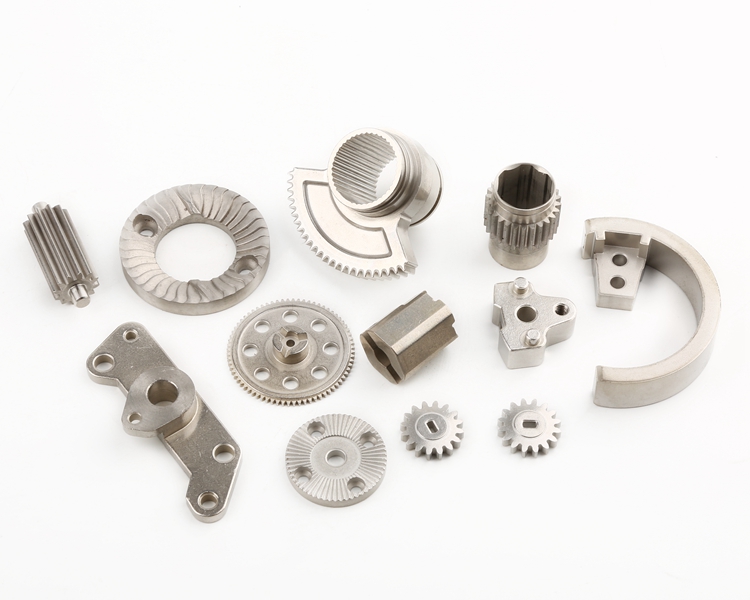
Sintered metal suppliers play an important role in industries that need strong, precise, and cost-effective metal parts. These suppliers make components from metal powder that is pressed and heated into a solid shape. Because sintered parts can be produced with consistent quality and low waste, they are widely used in automotive, machinery, electronics, and consumer products. Choosing the right supplier matters because it affects product quality, delivery time, and long-term cost. In this article, you will learn what sintered metal is, what makes a good supplier, and how to choose one step by step.

## What is sintered metal

Sintered metal is a part made from powdered metal instead of a solid block. First, the powder is compacted into shape. Then it is heated below the melting point so the particles bond together. This process is called sintering.

The result is a strong, near-net-shape part that often needs little finishing. Sintered metal is popular because it can create complex shapes with good repeatability. It also helps reduce material waste compared with many machining methods. Common materials include iron, steel, bronze, copper, and stainless steel. Typical products include gears, bearings, bushings, filters, and structural parts.

## 3 Specifications of good sintered metal suppliers

A good sintered metal supplier should have **stable quality control**. This means the supplier can produce parts with consistent dimensions, density, strength, and surface quality. Ask whether they test raw materials, monitor production, and inspect finished parts before shipping.

A second key point is **material and process capability**. A reliable supplier should offer the right powder metals, tooling support, compaction methods, and heat treatment options for your project. They should also be able to handle different part sizes and shapes based on your needs.

The third specification is **delivery and service reliability**. Good suppliers communicate clearly, give realistic lead times, and respond quickly to questions. They should also support custom requests, engineering changes, and long-term production orders without delay.

## How to choose sintered metal suppliers (step by step)

Start by defining your product requirements. List the part’s function, dimensions, material, expected strength, quantity, and budget. The clearer your needs are, the easier it is to compare suppliers fairly.

Next, review the supplier’s experience. Look for companies that have worked with similar parts or industries. A supplier with proven experience is more likely to understand technical problems before they become costly mistakes.

Then, check their quality system. Ask about certifications, inspection methods, traceability, and defect control. A strong quality system helps reduce product variation and improves reliability.

After that, request samples or prototypes. This lets you test fit, function, and durability before placing a full order. If the sample quality is weak, the final production run is unlikely to improve.

Finally, compare pricing, lead time, and support. The cheapest supplier is not always the best choice if delivery is slow or communication is poor. Choose the supplier that offers the best balance of quality, speed, and long-term value.

## Notices

Before signing a contract, confirm the exact material grade and performance requirements. Small differences in powder composition or sintering conditions can change the final result. Never assume two suppliers will produce identical parts just because the drawings look the same.

Also, ask about tooling ownership, minimum order quantity, and extra charges. Some suppliers charge separately for mold design, setup, testing, or post-processing. These costs can affect your total budget more than the unit price alone.

Be careful with vague promises. If a supplier cannot explain their process, testing, or lead time clearly, that is a warning sign. Good suppliers are usually transparent and confident about how they work.

## FAQ

### 1. What industries use sintered metal parts?

Sintered metal parts are used in automotive, machinery, electronics, appliances, and industrial equipment. They are common anywhere a durable and repeatable metal component is needed.

### 2. Are sintered metal parts strong?

Yes, sintered metal parts can be very strong when made with the right powder, pressure, and heat treatment. Their strength depends on the material choice and the supplier’s process control.

### 3. Why choose a sintered metal supplier instead of a machining shop?

A sintered metal supplier is often better for high-volume production of complex parts. Sintering can reduce waste, lower unit cost, and produce parts with consistent shape and size.

## Conclusion

Choosing the right sintered metal suppliers is about more than finding the lowest price. You need a partner with strong quality control, the right technical ability, and reliable communication. When you compare suppliers step by step, you reduce risk and improve the final product. For beginners, the safest approach is to start with clear requirements, request samples, and choose a supplier that can support both current and future production needs.