Powder Metallurgy: From Powdered Metal to High-Performance Sintered Metal Parts
In modern manufacturing, powder metallurgy has become one of the most efficient, cost-effective, and sustainable ways to produce precision components. By using powdered metal as the raw material and advanced sintering technology, manufacturers can create strong, durable, and complex sintered metal parts with minimal waste and consistent quality.
As a professional manufacturer focused on powder metallurgy and precision components, we help global customers turn design ideas into reliable sintered metal parts through standardized, repeatable, and scalable production processes.
What Is Powder Metallurgy?
Powder metallurgy is a near-net-shape manufacturing technology that forms solid metal components from fine powdered metal without fully melting the material. The process combines powder preparation, high-pressure compaction, high-temperature sintering, and optional post-treatment to produce sintered metal parts with stable performance, tight tolerances, and complex geometries.
Compared with traditional machining, casting, or forging, powder metallurgy greatly reduces material loss, shortens production cycles, and lowers overall costs—especially for mass-produced metal components.
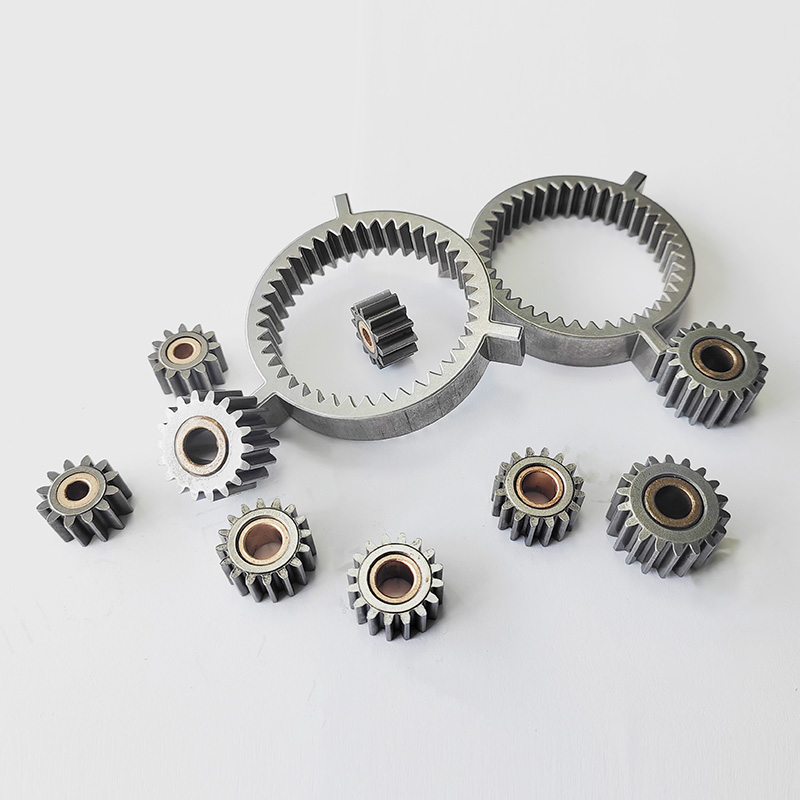
Core Materials: Powdered Metal for Sintered Metal Parts
The foundation of powder metallurgy is high-quality powdered metal. Common materials include:
- Iron-based powders (for high strength and low cost)
- Stainless steel powders (for corrosion resistance)
- Copper and brass powders (for conductivity and wear resistance)
- Alloy powders (for customized mechanical properties)
These powdered metal materials are carefully selected, mixed, and processed to ensure uniform density, stable flowability, and reliable bonding during sintering.
Full Process of Powder Metallurgy: From Powder to Sintered Metal Parts
1. Powder Mixing & Preparation
Raw powdered metal is blended with lubricants and alloying elements to improve flow, compaction, and final performance. Uniform mixing ensures consistency across every batch of sintered metal parts.
2. Compaction (Pressing)
Mixed powder is pressed into a precise “green compact” under high pressure. This step gives the part its basic shape but low strength—requiring sintering to gain real durability.
3. Metal Sintering (Key Stage)
Sintering heats the green compact in a controlled atmosphere furnace to around 70–90% of the metal’s melting point. Heat causes atomic diffusion and particle bonding, transforming fragile preforms into solid, strong sintered metal parts.
4. Secondary Processing (Optional)
To meet higher requirements, many sintered metal parts go through additional processes:
- Sizing / coining for ultra-precise tolerances
- Heat treatment for increased hardness
- Oil impregnation for self-lubricating bearings
- Plating or coating for corrosion resistance
- Precision machining for special features
Key Benefits of Powder Metallurgy for Sintered Metal Parts
- Extremely high material utilization: Up to 95% of powdered metal becomes finished parts
- Cost efficiency in mass production: Lower tooling and labor costs for large volumes
- Complex shapes made simple: Produce structures difficult to make with traditional methods
- Consistent quality: Stable batch-to-batch performance
- Controlled porosity: Ideal for bearings, filters, and silent components
- Wide material compatibility: Supports iron, steel, stainless steel, copper, and custom alloys
Frequently Asked Questions About Powder Metallurgy
Q1: What is the difference between powdered metal and sintered metal parts?
A:Powdered metal is the raw metal powder used in production. Sintered metal parts are the finished components formed after pressing and sintering in the powder metallurgy process.
Q2: How strong are sintered metal parts compared to steel?
A: With proper sintering and heat treatment, sintered metal parts can achieve strength, hardness, and wear resistance similar to conventional steel parts.
Q3: What is the typical tolerance for powder metallurgy parts?
A: Standard tolerance is ±0.05 mm. With sizing or coining, we can reach ±0.01 mm for high-precision components.
Q4: Can powder metallurgy make small-batch or prototype parts?
A: Yes. We support prototype, sample, and small-batch production, although powder metallurgy is most cost-effective in mass production.
Q5: Are sintered metal parts corrosion-resistant?
A: Yes. We can use stainless steel powder, plating, or coating to improve corrosion resistance for long-term use.
Q6: How long does powder metallurgy production take?
A: Tooling generally takes 15–25 days. Mass production lead time is 15–30 days based on quantity and complexity.
Q7: What industries use sintered metal parts most?
A: Automotive, power tools, home appliances, locks, electrical devices, and industrial machinery are the largest users of powder metallurgy components.
Typical Applications of Sintered Metal Parts
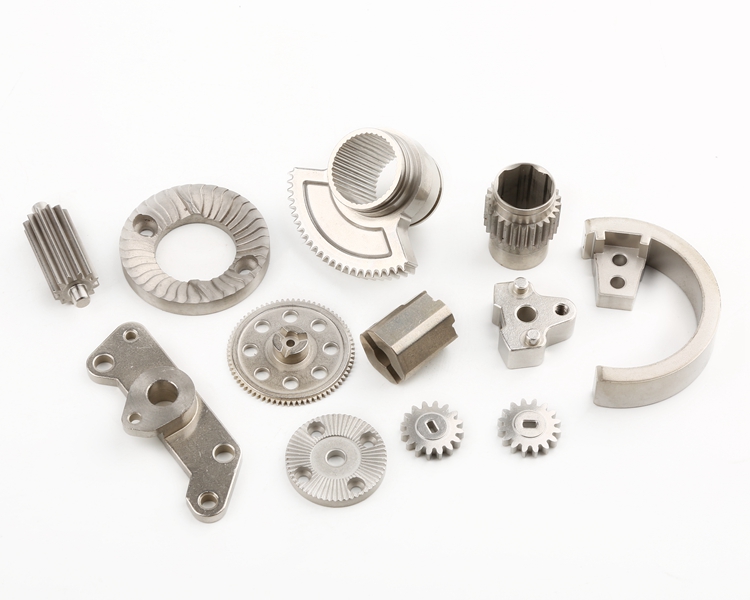
Sintered metal parts made by powder metallurgy are widely used in many industries:
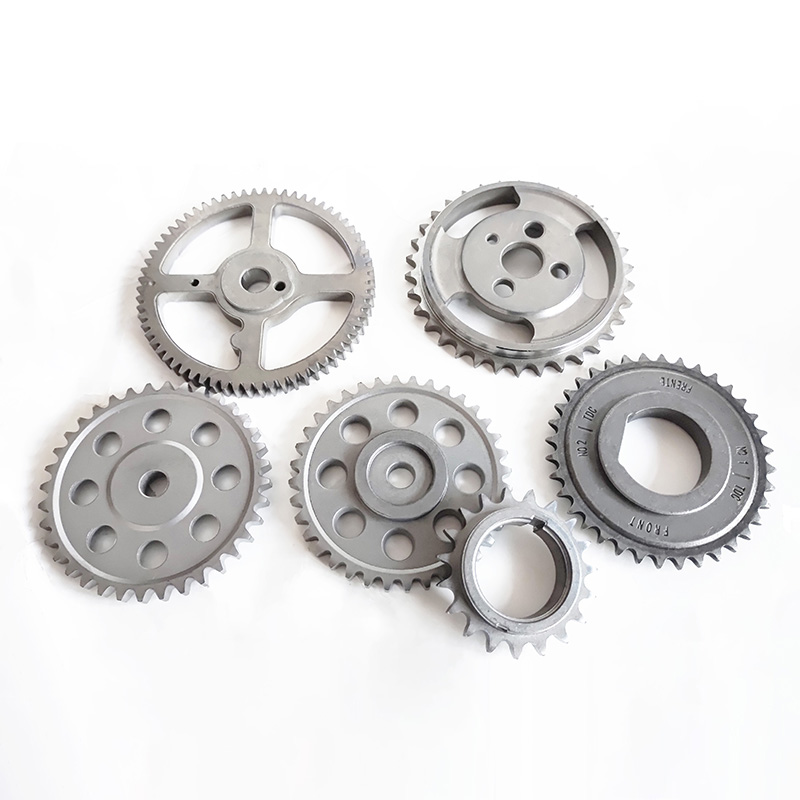
- Automotive gears, bearings, and structural components
- Power tool parts and hardware
- Home appliance and electrical components
- Industrial machinery and hydraulic parts
- Lock mechanisms, hand tools, and mechanical fittings
Why Choose Our Powder Metallurgy Solutions?
We specialize in powder metallurgy process development and sintered metal parts manufacturing. Our advantages include:
- Professional R&D and engineering support
- Full-process quality control and testing
- Custom design, prototyping, and mass production
- Competitive factory-direct pricing
- Fast lead times and stable global delivery
- Professional English service for international customers
Final Thoughts
Powder metallurgy continues to drive innovation in manufacturing by turning powdered metal into high-performance sintered metal parts with efficiency and precision. For businesses seeking reliable, cost-effective, and scalable metal component solutions, powder metallurgy is a proven and future-proof choice.
If you are looking for a trusted partner to develop or produce sintered metal parts, welcome to contact us with your drawings, specifications, or project needs. We provide free evaluation, samples, and competitive quotes to support your success.